English
- English
- Español
- Português
- русский
- Français
- 日本語
- Deutsch
- tiếng Việt
- Italiano
- Nederlands
- ภาษาไทย
- Polski
- 한국어
- Svenska
- magyar
- Malay
- বাংলা ভাষার
- Dansk
- Suomi
- हिन्दी
- Pilipino
- Türkçe
- Gaeilge
- العربية
- Indonesia
- Norsk
- تمل
- český
- ελληνικά
- український
- Javanese
- فارسی
- தமிழ்
- తెలుగు
- नेपाली
- Burmese
- български
- ລາວ
- Latine
- Қазақша
- Euskal
- Azərbaycan
- Slovenský jazyk
- Македонски
- Lietuvos
- Eesti Keel
- Română
- Slovenski
- मराठी
- Srpski језик

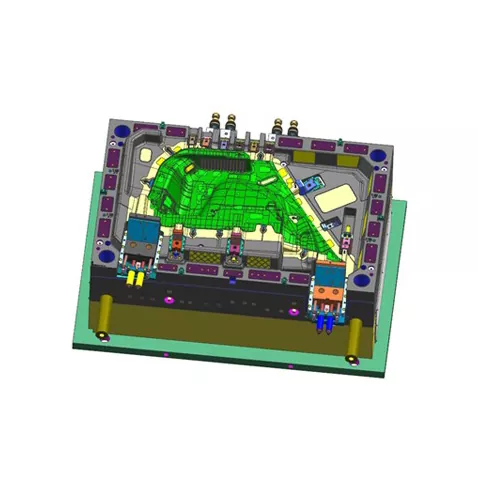
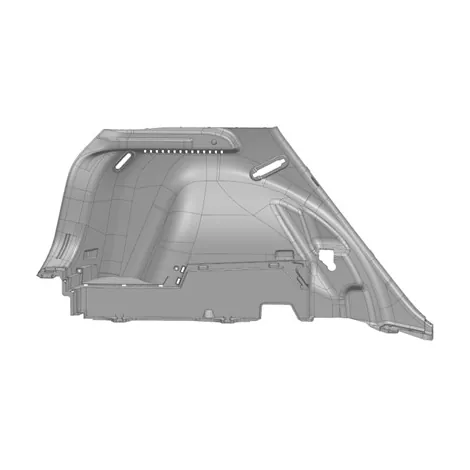
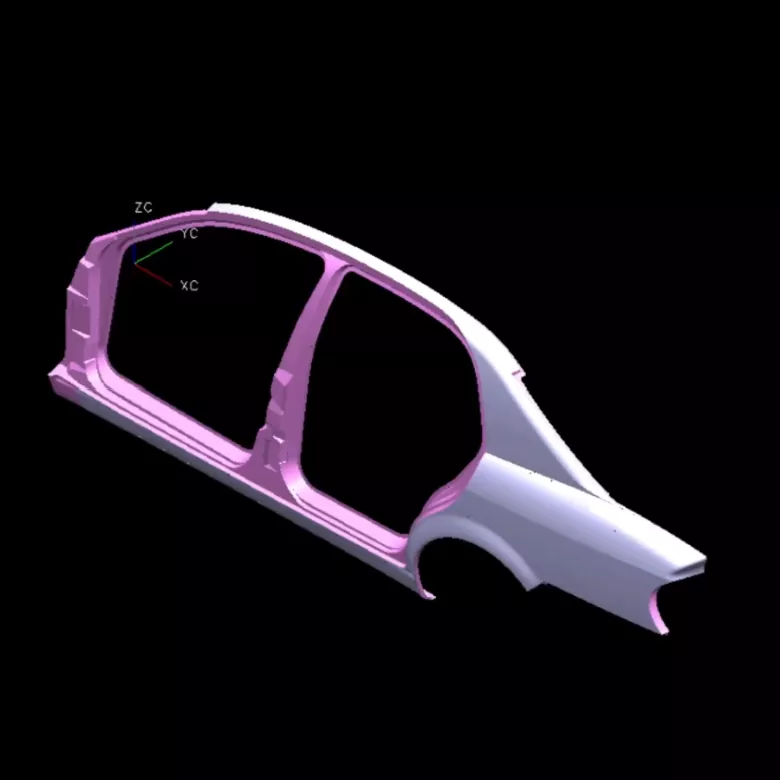
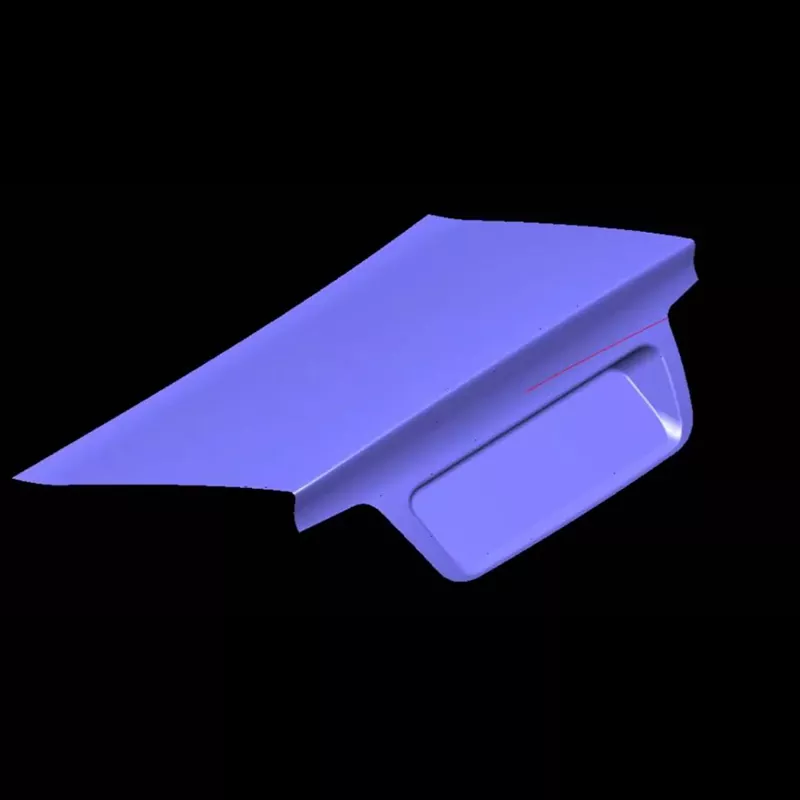
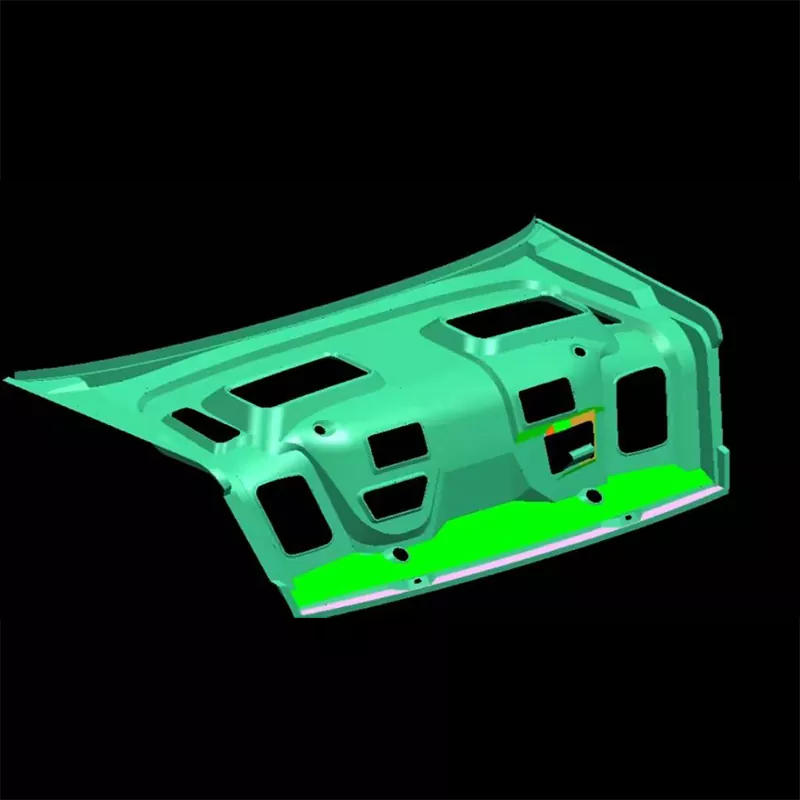
Automotive Left Side Panel Stamping Die
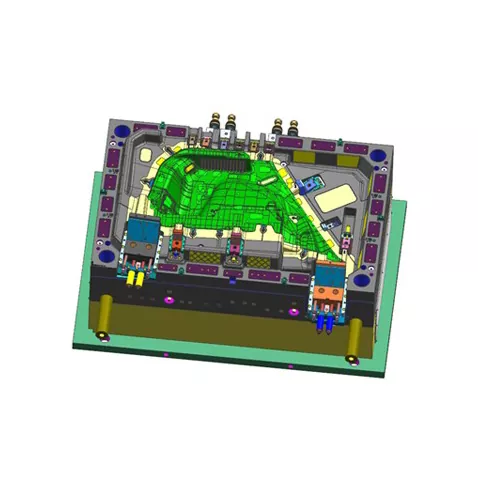
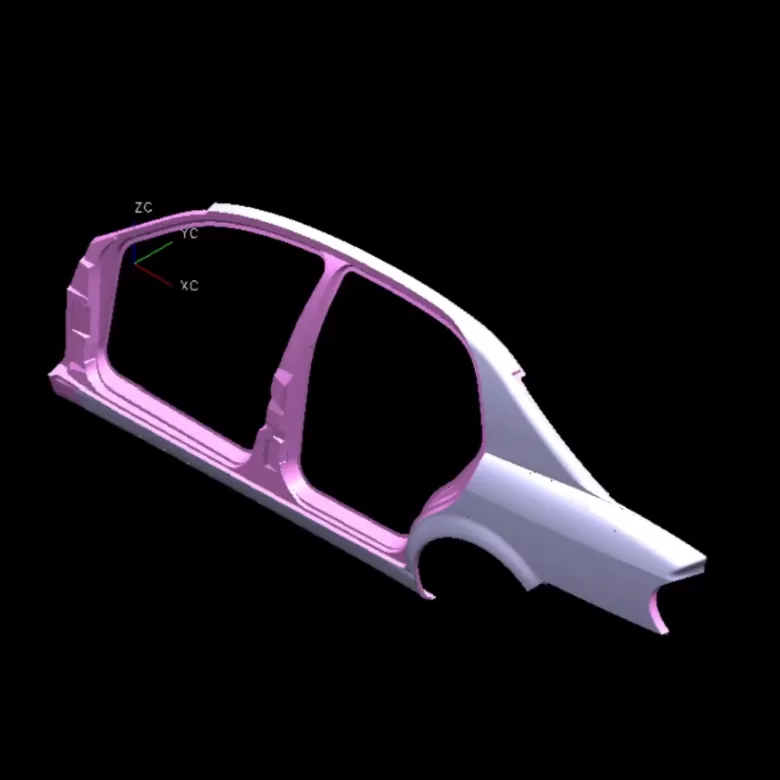
The SIKAIDA Automotive Left Side Panel Stamping Die is a large, high-precision, and complex stamping die system specifically designed for stamping the left integral side panel of steel or aluminum sheets. It comprises multiple workstations including blanking dies, drawing dies, trimming dies, and flanging dies. As a professional manufacturer in China, SIKAIDA leverages advanced design concepts, precision manufacturing technology, and reliable performance to create industry-leading products that fully meet the high standards of modern automotive production, committed to providing high-quality stamping die solutions to global automakers.
The SIKAIDA Automotive Left Side Panel Stamping Die is a large, high-precision, and complex stamping tool system developed by SIKAIDA for stamping the left integral side panel of steel or aluminum sheets. It is not a single die, but a complete integrated system including key components such as blanking dies, drawing dies, trimming dies, and flanging dies. The manufacturing level of this product directly represents the highest standard of automotive body panel stamping dies and is a core symbol of SIKAIDA's comprehensive strength as a professional supplier in the die industry.
Detailed Product Features
1. Large Size and Complex Structure
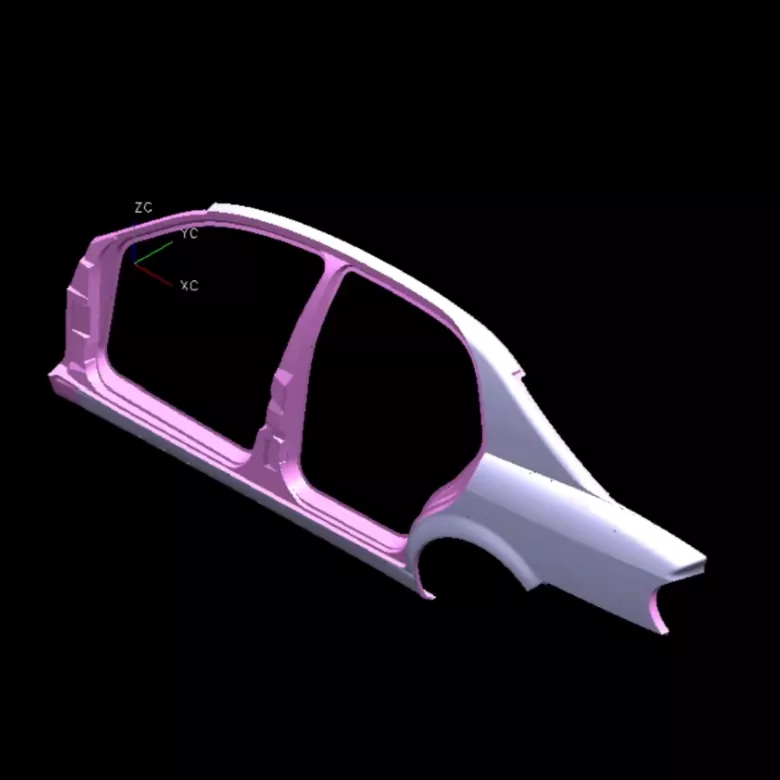
The left side panel of a car is large in size (typically over 1.5 meters in length and 0.8-1 meter in width), with a complex shape, including deep drawing features, complex curvatures, window openings, and feature lines. SIKAIDA's Automotive Left Side Panel Stamping Die can precisely form the mounting holes, reinforcing ribs, and flanging details on the side panel. Through professional simulation analysis and optimization of the mold structure, it ensures reasonable stress distribution and stable forming.
2. High Precision and High Quality Requirements
As a major exterior component of a car, the left side panel must be free of scratches, wrinkles, dents, and other defects. SIKAIDA strictly controls quality, with stringent requirements for mold surface finish and pressure distribution. Key forming surfaces are finely polished to a mirror finish, effectively avoiding surface defects caused by friction between the sheet metal and the mold during stamping.
3. Multi-Process Integrated Forming
The stamping of the left side panel requires continuous completion of multiple processes, including blanking, drawing, trimming, and flanging. SIKAIDA's Automotive Left Side Panel Stamping Die works seamlessly with modern automated production lines, employing robotic transfer technology to achieve continuous multi-station stamping. This balances production efficiency with consistent product quality, and the scientific process layout shortens production cycles and reduces costs.
4. Complex Guiding and Balancing System
Addressing the complex shapes and large dimensions of the side panels, the die is equipped with a high-precision guiding system (guide pillars, guide sleeves, side guide plates) to ensure precise closure of the upper and lower dies. A comprehensive balancing system (nitrogen springs, mechanical balance blocks) ensures stable and safe stamping, extending die life.
5. Advanced Lubrication and Ventilation System
The die features a complex automatic lubrication system that automatically applies lubricant during stamping, reducing friction between the sheet metal and the die and improving forming quality. Large drawing dies are equipped with a multi-point venting system to prevent wrinkles, dents, and other forming defects caused by trapped air.
Product Features and Applications
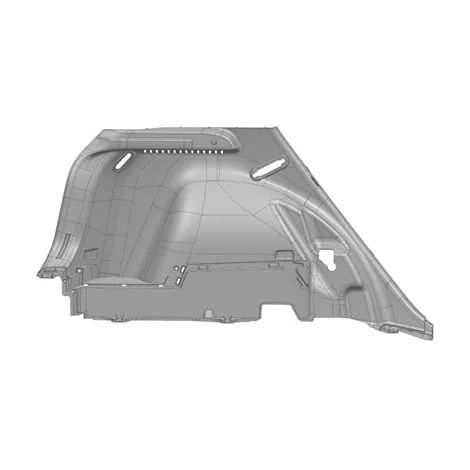
SIKAIDA Automotive Left Side Panel Stamping Die is primarily used in the manufacture of side panels for passenger vehicles such as sedans, SUVs, and MPVs. It can also be used in the production of cab side panels and other coverings for commercial vehicles. The molds are made of high-strength alloy steel, with key surfaces undergoing heat treatment and precision polishing, resulting in high wear resistance, high precision, and long service life. As a professional factory with extensive production experience, SIKAIDA can customize mold solutions according to different vehicle models and customer needs, meeting the diverse production requirements of the automotive industry.
Manufacturing Process Introduction
1. Product Analysis and CAE Simulation
Before mold design, SIKAIDA uses professional stamping simulation software such as AutoForm and Dynaform to predict the formability, strain, and springback of the side panels, identifying quality risks in advance, optimizing process solutions and mold structures, and reducing trial and modification costs.
2. Mold Design
Advanced 3D design software such as UG and CATIA is used to complete the full 3D design of all components, including the upper mold, lower mold, and pressure ring. Factors such as sheet metal thickness and springback compensation are fully considered to ensure mold accuracy and stability. The design scheme is reviewed and confirmed by professional engineers.
3. Material Selection
The Automotive Left Side Panel Stamping Die substrate uses high-quality carbon structural steel (such as 45 steel) or alloy structural steel (such as 42CrMo) to ensure toughness and rigidity. The working parts (profiles, cutting edges) use high-carbon, high-chromium tool steel (such as Cr12MoV, SKD11) or powder metallurgy steel to ensure high hardness, high wear resistance, and extend mold life.
4. Precision Machining
- Rough Machining: Initial machining is performed using a large gantry milling machine or CNC gantry machining center, with allowance for finishing.
- Finish Machining: High-speed CNC machining center precision machining of profiles and cutting edges ensures dimensional accuracy and surface roughness.
- Special Machining: Electrical discharge machining (EDM) is used to process complex profiles and corners; wire EDM is used to machine precision holes and contours; quenching and tempering are performed to achieve a hardness of 48-52 HRC.
- Surface Treatment: Hard chrome plating or nitriding is applied to the profiles to improve hardness and wear resistance, while rust prevention and degreasing are also performed.
5. Assembly and Debugging (T0 Trial Mold)
All components are assembled into a complete mold, installed on the stamping equipment for trial molding. Professional technicians repeatedly adjust process parameters such as pressure and stroke until a qualified part is produced. After first-piece inspection and dimensional measurement confirmation, it is delivered to the customer.
Development Trends
1. Ultra-Large Integrated Molding
The automotive side panels are developing towards larger integrated structures, requiring higher mold tonnage (up to 2000 tons and above) and dimensional stability. SIKAIDA continuously optimizes design and processing technology, enabling the development of ultra-large integrated side panel stamping dies to meet the needs of new energy vehicles and next-generation models.
2. Lightweight Material Application
With the development of automotive lightweighting, new materials such as high-strength steel and aluminum alloys are widely used. SIKAIDA optimizes mold structure and surface treatment technology to adapt to the forming characteristics of new materials (e.g., aluminum alloy drawing dies are equipped with special coatings and lubrication systems).
3. Intelligent Manufacturing and Digitalization
Pressure and temperature sensors are embedded in the mold to monitor stamping parameters in real time, enabling predictive maintenance and process optimization. Combined with digital twin technology for virtual debugging, the development cycle can be shortened by 20-30%, improving R&D efficiency.
4. Rapid Die Change and Automation
For multi-variety, small-batch production needs, the mold adopts a rapid die change structure (rapid clamping, automatic positioning), coupled with automated robots and vision inspection systems, achieving a high degree of automation in stamping production and improving production flexibility.
Frequently Asked Questions
Q1: What materials are typically used for the Automotive Left Side Panel Stamping Die?
A1: The mold base commonly uses high-quality carbon structural steel (such as 45 steel) or alloy structural steel (such as 42CrMo). The working parts (profiles, cutting edges) use high-carbon, high-chromium tool steel (such as Cr12MoV, SKD11) or powder metallurgy steel to ensure high hardness (48-52 HRC) and high wear resistance. Some high-end molds use cemented carbide or surface coating technology to improve lifespan.
Q2: How long is the manufacturing cycle for an automotive left side panel stamping mold?
A2: The manufacturing cycle for stamping dies for the left side panel of an automobile typically ranges from 8 to 15 months, depending on factors such as the complexity of the part, precision requirements, and production capacity. The development cycle for complex curved surface side panel dies can exceed 15 months, while simple structure dies can be completed within 8 to 10 months. The entire process, from design and processing to assembly and debugging, requires collaboration among multiple departments.
Send Inquiry
Contact Info
-
Address
Fengze Two Avenue, Balitai Industrial Park, Jinnan District, Tianjin City, China
-
Tel
-
Email
Welcome to our website! For inquiries about our products or pricelist, please leave your email to us and we will be in touch within 24 hours.
Related Products
News Recommendations