English
- English
- Español
- Português
- русский
- Français
- 日本語
- Deutsch
- tiếng Việt
- Italiano
- Nederlands
- ภาษาไทย
- Polski
- 한국어
- Svenska
- magyar
- Malay
- বাংলা ভাষার
- Dansk
- Suomi
- हिन्दी
- Pilipino
- Türkçe
- Gaeilge
- العربية
- Indonesia
- Norsk
- تمل
- český
- ελληνικά
- український
- Javanese
- فارسی
- தமிழ்
- తెలుగు
- नेपाली
- Burmese
- български
- ລາວ
- Latine
- Қазақша
- Euskal
- Azərbaycan
- Slovenský jazyk
- Македонски
- Lietuvos
- Eesti Keel
- Română
- Slovenski
- मराठी
- Srpski језик

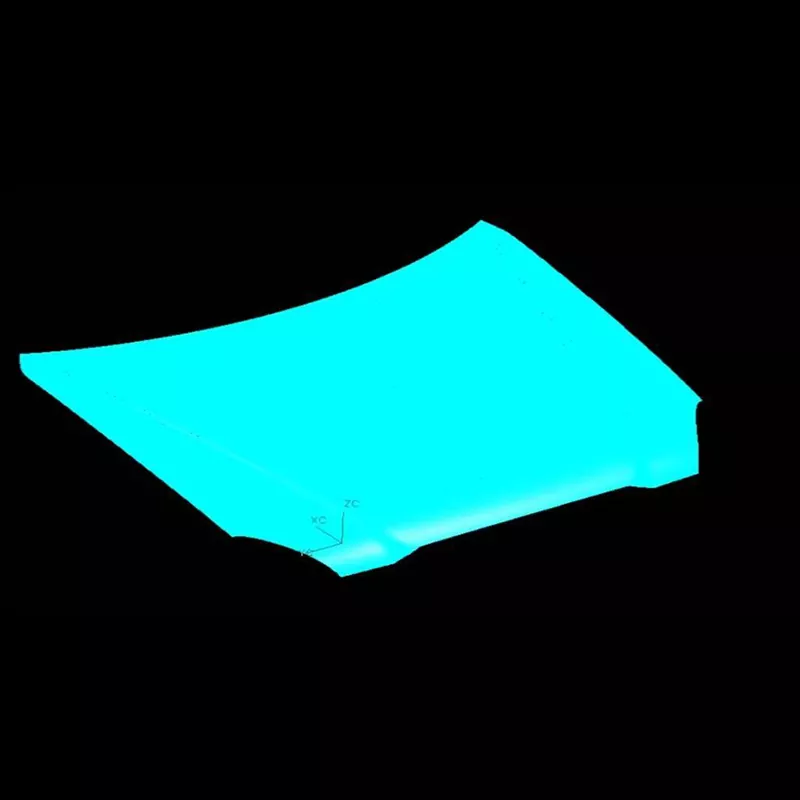
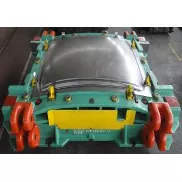
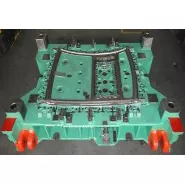
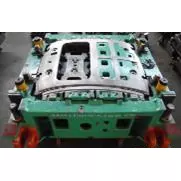
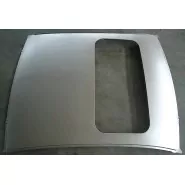
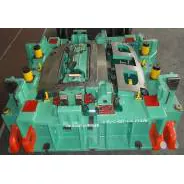
Automotive Hood Outer Panel Stamping Die
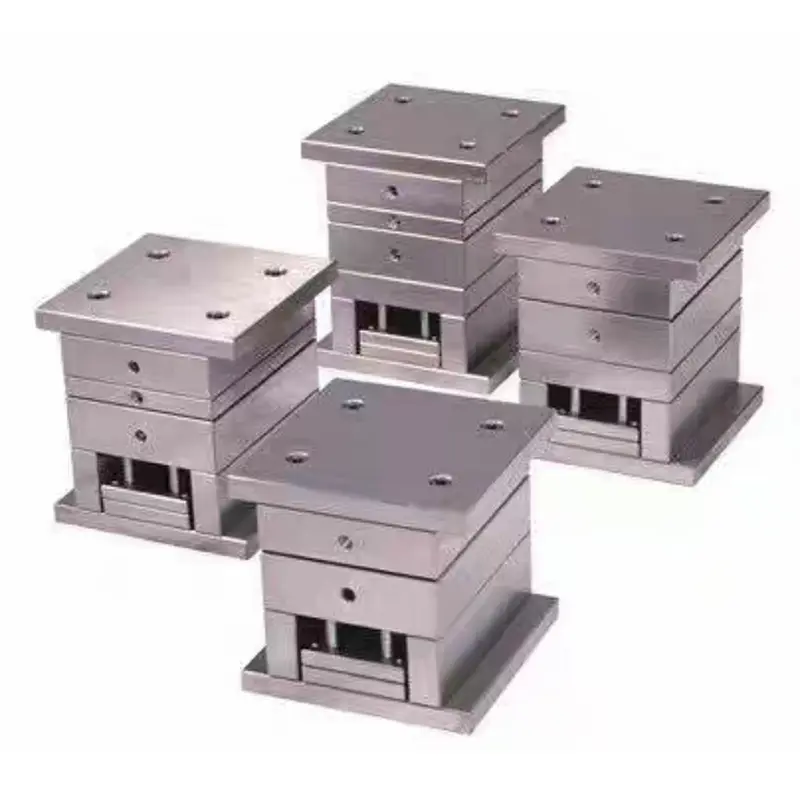
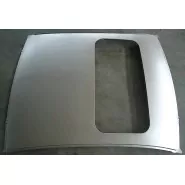
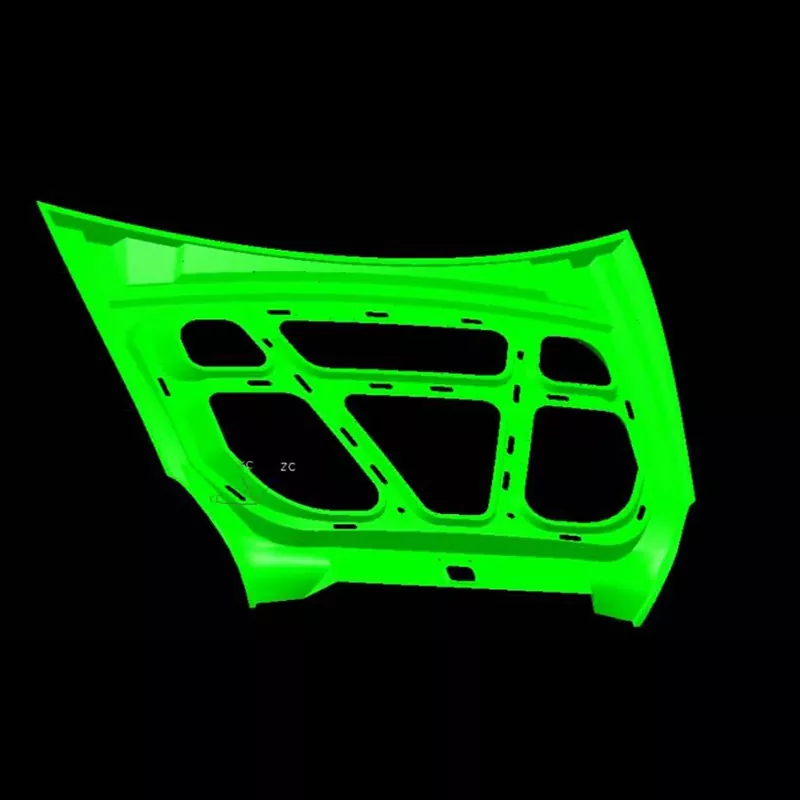
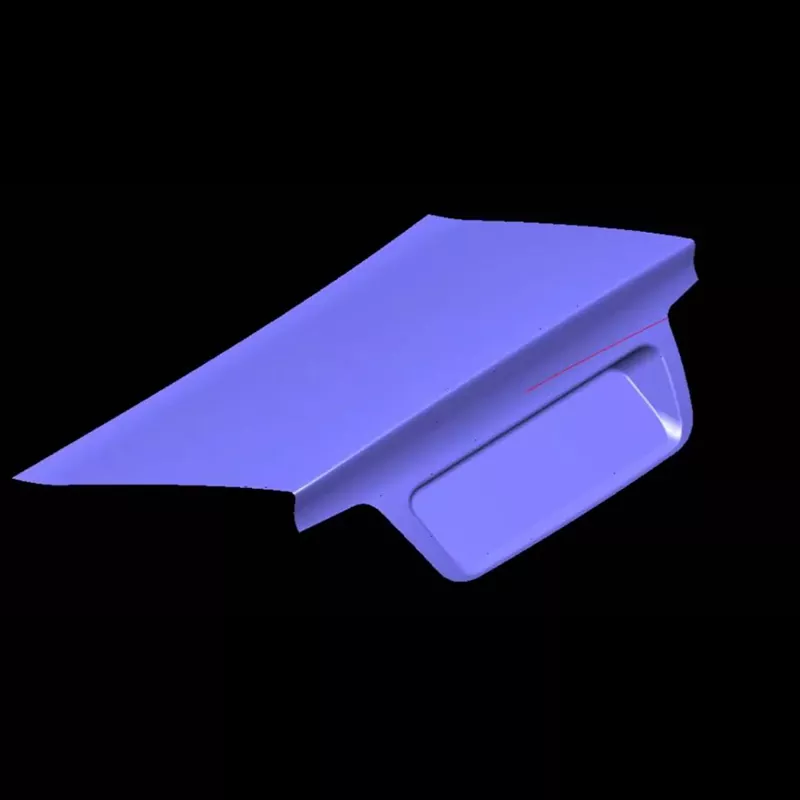
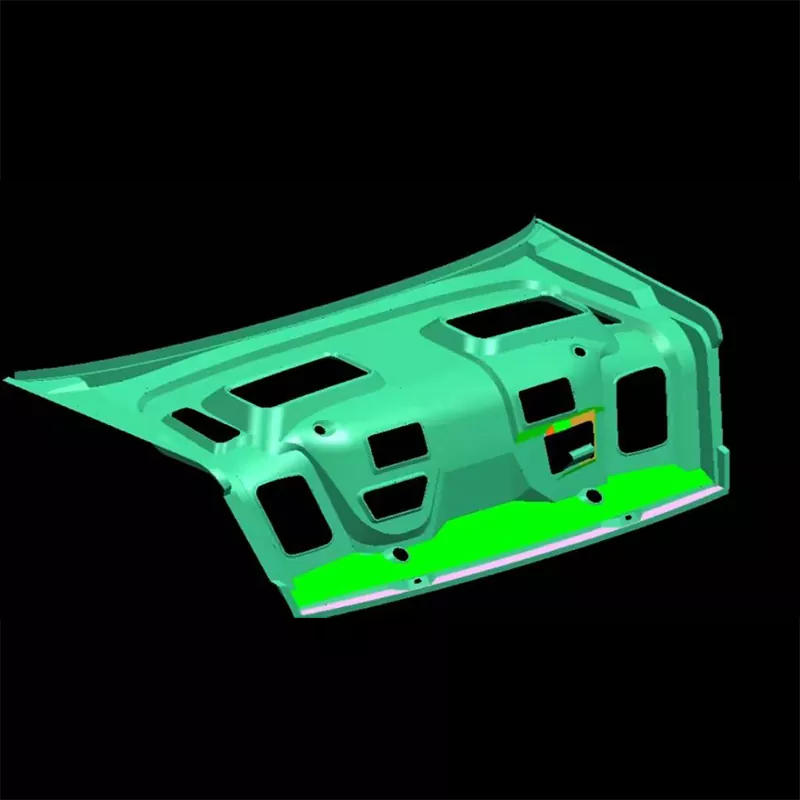
The automotive hood outer panel is a critical exterior component of the vehicle body, and the Automotive Hood Outer Panel Stamping Die represents the highest level of automotive body panel mold manufacturing. SIKAIDA, a professional manufacturer from China, provides a complete high-precision stamping die system, compatible with DC04, DC06, B170, and other steels. Integrating technologies from multiple fields, it ensures mold quality, precision, and production efficiency, and is widely used in passenger car and commercial vehicle manufacturing.
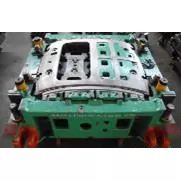
The SIKAIDA Automotive Hood Outer Panel Stamping Die is a large and complex curvature system, including an upper die, lower die, pressure ring, and precision guide components, suitable for one-step or multi-step forming of hood outer panels. As a reliable supplier to the global automotive industry, its molds can operate stably in high-volume stamping lines.
Core Product Features:
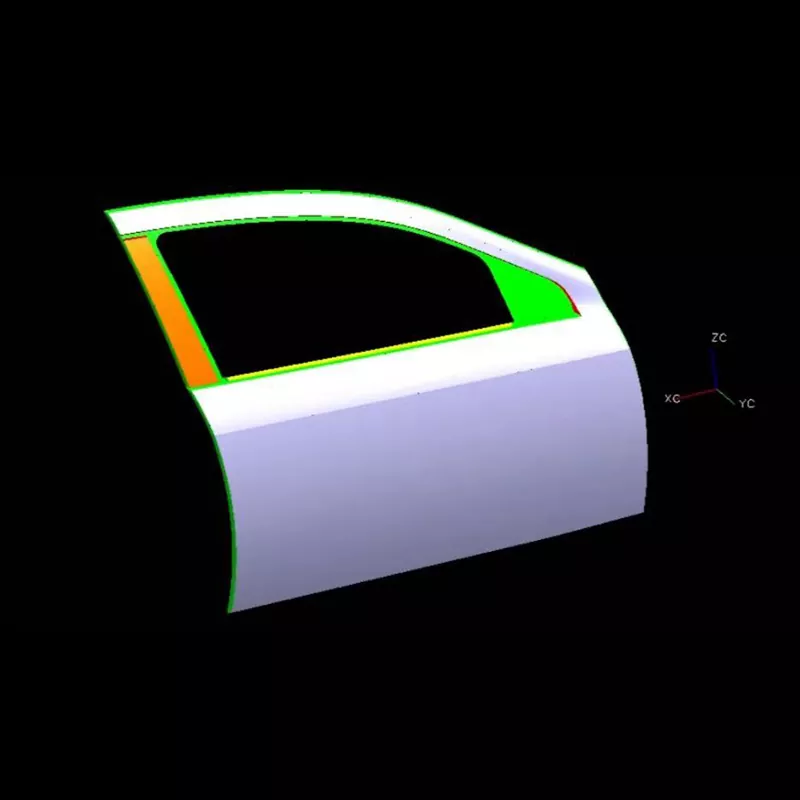
1. Large and Complex Double Curvature Structure: The Automotive Hood Outer Panel Stamping Die is suitable for hood outer panels (length > 1.2m, width 0.8-1.0m), with a high proportion of free-form surfaces, feature lines, and reinforcing ribs, requiring extremely high surface accuracy and quality.
2. High Precision and Mirror-Grade Surface Finish: Suitable for Grade A appearance parts (no scratches, wrinkles, springback), the die surface finish reaches mirror level (Ra≤0.4μm), requiring stringent standards for materials, heat treatment, and processing techniques.
3. Integrated Multi-Process System: Integrates multiple processes such as drawing, punching, and trimming, compatible with various forming processes, supports automated feeding, positioning, and unloading, and is suitable for automated production.
4. Heavy-Duty Structure and Precision Guiding: The Automotive Hood Outer Panel Stamping Die uses a high-strength die frame suitable for high-tonnage stamping, equipped with a high-precision guide post and guide sleeve system to avoid die misalignment, and features a stable buffer and unloading mechanism to ensure smooth stamping.
5. Advanced Lubrication and Cooling System: Optimized lubrication system reduces friction and extends die life; a temperature-controlled cooling system can be added as needed to ensure material forming stability.
Applications and Material Advantages
Automotive Hood Outer Panel Stamping Die is suitable for stamping steel and lightweight alloy outer panels for passenger cars, commercial vehicles, and new energy vehicles. The die base uses 45# and Q235 stainless steel, and the working parts are made of materials such as Cr12MoV, achieving a hardness of 48-52 HRC after heat treatment, possessing advantages such as high strength and high wear resistance.
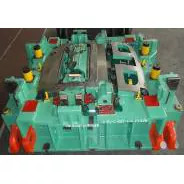
Complete Manufacturing Process
1. Product Analysis and CAE Simulation
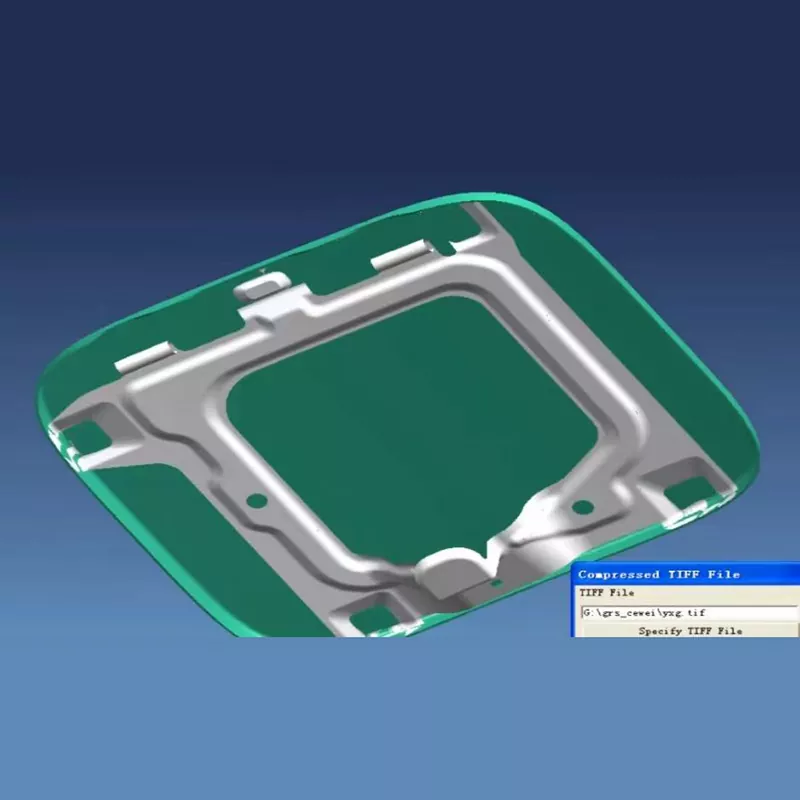
AutoForm and Dynaform software are used to analyze formability, springback, etc., predicting and solving stamping problems, and optimizing process and die design.
2. Full 3D Die Design
Automotive Hood Outer Panel Stamping Die utilizes software such as UG and CATIA to complete full 3D design, accurately positioning all details such as inserts and screws.
3. Material Selection and Heat Treatment
Suitable materials are selected, and processes such as vacuum quenching and tempering are used to ensure the mechanical properties of the die meet usage requirements.
4. Precision Machining
After rough machining (allowing for allowances), finish machining (ensuring precision), special machining (EDM, wire cutting, etc.), and polishing, a mirror finish is achieved.
5. Assembly and T0 Trial Molding
After assembling all components, a trial molding is performed. Process parameters are adjusted, and the mold is modified and optimized until the stamped part meets the drawing requirements.
Development Trends
The mold industry is showing four major trends: adapting to lightweight, high-strength materials; achieving full-process precision and intelligence; multi-process integrated automation; shortening development cycles through digital twin technology; and reducing costs.
SIKAIDA Automotive Hood Outer Panel Stamping Die represents the advanced level of stamping dies. With a development cycle of 8-15 months and costs ranging from millions to tens of millions of yuan, it serves as a benchmark for measuring the strength of professional mold factories. SIKAIDA will continue to upgrade its technology to meet the high-end needs of the global automotive industry.
Frequently Asked Questions:
Q1: What materials are typically used in Automotive Hood Outer Panel Stamping Die?
A1: The mold base commonly uses high-quality carbon structural steel (such as 45#, Q235), while the working parts use high-carbon, high-chromium tool steel (such as Cr12MoV, Cr12) and high-speed steel (such as W6Mo5Cr4V2), etc., which undergo appropriate heat treatment to achieve the required hardness and wear resistance.
Q2: How long is the manufacturing cycle for stamping dies for automotive hood outer panels?
A2: Stamping dies for automotive hood outer panels have complex structures and high precision requirements. The manufacturing cycle is typically 8-15 months, depending on the complexity of the product, technical requirements, and manufacturing capabilities. Its long development cycle and high cost make it a key benchmark for measuring the comprehensive strength of a mold company.
Send Inquiry
Contact Info
-
Address
Fengze Two Avenue, Balitai Industrial Park, Jinnan District, Tianjin City, China
-
Tel
-
Email
Welcome to our website! For inquiries about our products or pricelist, please leave your email to us and we will be in touch within 24 hours.
Related Products
News Recommendations