English
- English
- Español
- Português
- русский
- Français
- 日本語
- Deutsch
- tiếng Việt
- Italiano
- Nederlands
- ภาษาไทย
- Polski
- 한국어
- Svenska
- magyar
- Malay
- বাংলা ভাষার
- Dansk
- Suomi
- हिन्दी
- Pilipino
- Türkçe
- Gaeilge
- العربية
- Indonesia
- Norsk
- تمل
- český
- ελληνικά
- український
- Javanese
- فارسی
- தமிழ்
- తెలుగు
- नेपाली
- Burmese
- български
- ລາວ
- Latine
- Қазақша
- Euskal
- Azərbaycan
- Slovenský jazyk
- Македонски
- Lietuvos
- Eesti Keel
- Română
- Slovenski
- मराठी
- Srpski језик

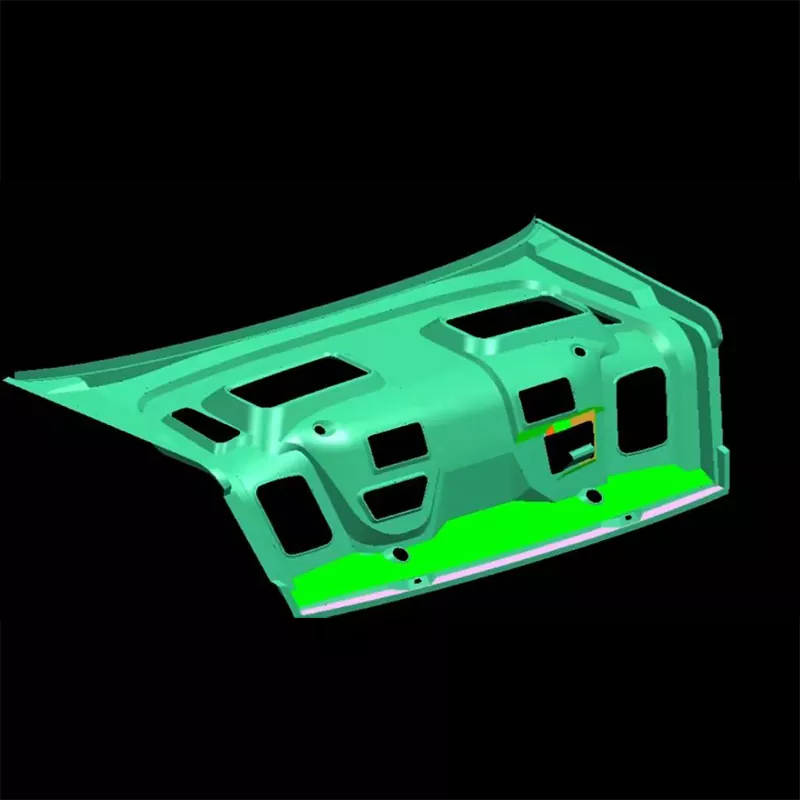
Automotive Trunk Lid Inner Panel Stamping Die
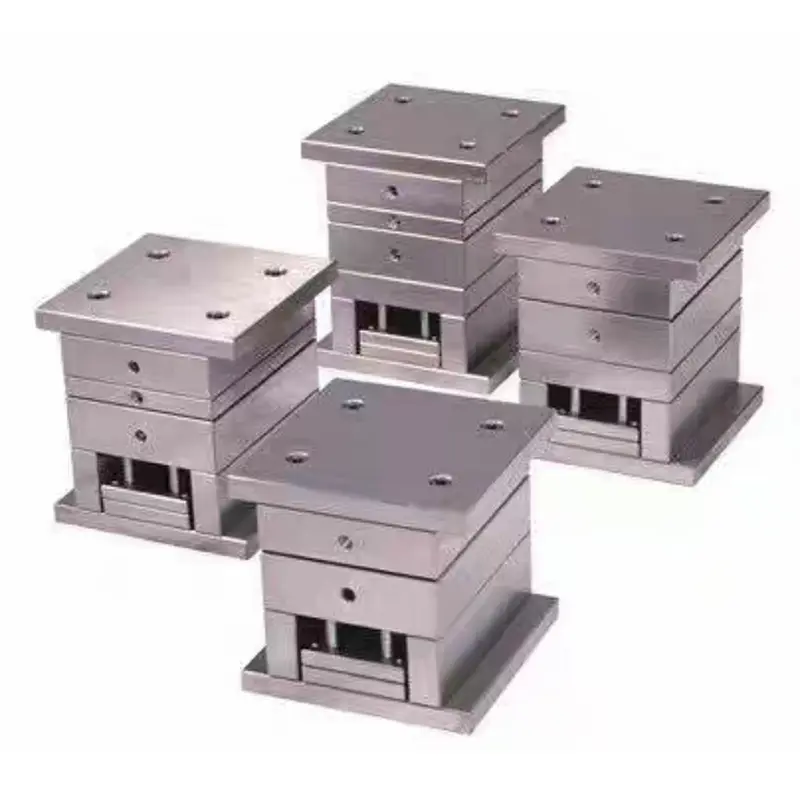
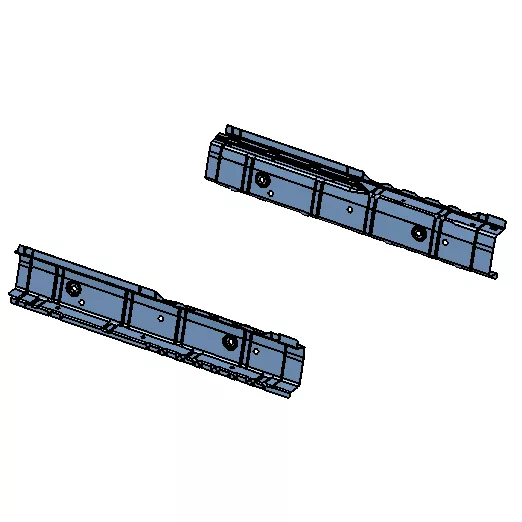
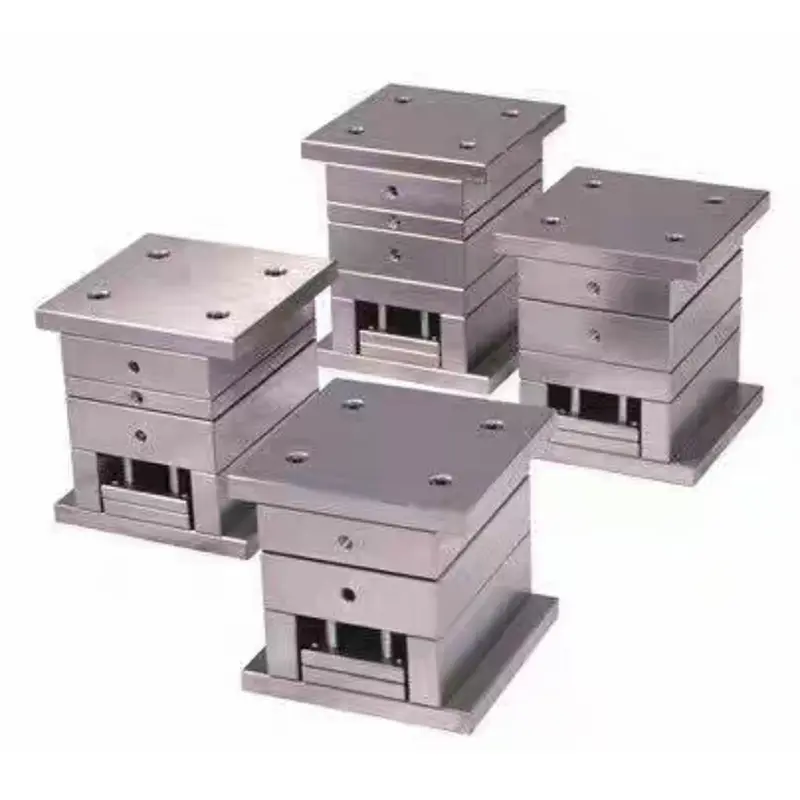
The trunk lid inner panel is a key component of the vehicle body structure, and its stamping dies represent the pinnacle of automotive body panel mold technology. As a professional manufacturer rooted in China, SIKAIDA offers a large, high-precision, multi-station Automotive Trunk Lid Inner Panel Stamping Die, integrating forming, trimming, punching, and flanging processes into one unit.
The SIKAIDA Automotive Trunk Lid Inner Panel Stamping Die is a large, complex, and high-precision integrated mold system used to stamp cold-rolled steel, stainless steel, aluminum alloy, and other metal sheets into qualified trunk lid inner panels. It is not a single mold, but a multi-station progressive or composite mold system that can complete forming, trimming, punching, and flanging processes in one operation. It is a benchmark for automotive body panel mold technology, directly determining the final product's appearance, fit, and structural performance.
Core Product Features
1. Large Size and Complex Structure
Trunk lid inner panels are typically over 1.2 meters long and 0.8-1.0 meters wide, with complex shapes including reinforcing ribs, mounting holes, and flanging structures. The Automotive Trunk Lid Inner Panel Stamping Die utilizes numerous free-form surfaces and multi-station continuous machining to ensure precise forming of complex contours.
2. Ultra-High Precision and Surface Quality
As an exterior and structural component, the trunk's inner panel requires no scratches, wrinkles, or cracks. SIKAIDA molds feature ultra-smooth surfaces, uniform stress distribution, and optimized material flow, achieved through high-precision machining and advanced surface treatment technologies.
3. Multi-Material Compatibility
Compatible with various sheet materials such as cold-rolled steel, galvanized steel, stainless steel, and aluminum alloys, the mold structure is optimized for the forming performance and springback characteristics of different materials. It can integrate special positioning and recognition systems to achieve flexible production.
4. Complex Forming Mechanism and Automation
For numerous negative angles and undercut structures, the Automotive Trunk Lid Inner Panel Stamping Die is equipped with a complete wedge, slider, and hydraulic forming mechanism, coupled with an automatic feeding, precise positioning, and stable unloading system, enabling reliable unmanned mass production.
5. Intelligent Monitoring and Control
The mold integrates pressure sensors, displacement detectors, and temperature controllers to achieve real-time monitoring of the molding process, parameter self-optimization, and quality traceability, ensuring consistency of batch products.
Application Areas
SIKAIDA trunk inner panel stamping dies are widely used in various passenger vehicles and related fields:
- Sedans, hatchbacks, SUVs, MPVs
- New energy vehicles (pure electric, plug-in hybrid, hybrid)
- Automotive parts manufacturing
- Automotive aftermarket repair and replacement market
With the development of lightweight vehicles, the application of aluminum alloy trunk inner panels is becoming increasingly widespread. Our mold technology continues to upgrade to adapt to higher material and process requirements.
Manufacturing Process
1. Product Analysis and CAE Simulation
The Automotive Trunk Lid Inner Panel Stamping Die uses AutoForm and Dynaform software for formability analysis, springback prediction, and thickness distribution simulation to proactively avoid molding defects such as cracking, wrinkling, and springback.
2. Mold Design
Full 3D design using UG, CATIA, and SolidWorks software, covering surface design, guiding, unloading, and positioning systems, fully matching material properties and equipment parameters.
3. Material Selection
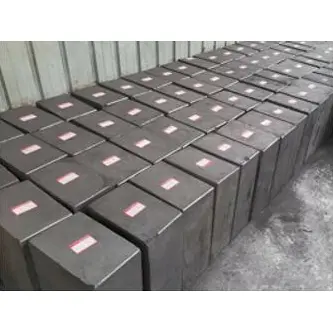
- Working Parts: Cr12MoV, SKD11, W6Mo5Cr4V2 (high hardness, high wear resistance)
- Base Body: 45# steel, Q235 (high strength, high rigidity)
- Guide Posts and Bushings: Bearing steel, SUJ2 (stable precision)
4. Precision Machining
- Rough Machining: Gantry milling, wire EDM
- Finish Machining: High-speed CNC (accuracy ±0.01mm), grinding, polishing
- Special Machining: Electrical Discharge Machining (EDM), electropolishing
- Surface Treatment: Nitriding, chrome plating, DLC coating
5. Assembly and T0 Trial Mold
After completing the assembly and precision testing of all parts, trial molding and first-piece inspection are performed. Continuous mold modification and optimization are carried out until stable mass production is achieved.
Development Trends
1. Lightweighting and Integrated Molding: Utilizing aluminum alloys and high-strength steel, multiple components are integrated into a single unit, reducing the number of parts and connection points.
2. Thermoforming and Hydroforming Technologies: Widely applied to high-strength materials, molds are equipped with advanced temperature control systems and high-temperature resistant materials, achieving forming temperatures of 500-900℃.
3. Smart Manufacturing and Digitalization: Integrating sensor networks and combining digital twin technology, virtual commissioning, predictive maintenance, and process self-optimization are achieved.
4. Additive Manufacturing Applications: 3D printing is used to manufacture complex cooling water channels and lightweight structures, improving mold efficiency and shortening manufacturing cycles.
5. Multi-Material Forming Technology: Adaptable to steel-aluminum and plastic-metal composite body structures, meeting the special needs of multi-material forming.
Frequently Asked Questions
Q1: What materials are typically used in the Automotive Trunk Lid Inner Panel Stamping Die?
A1: The working part of the mold mainly uses high-carbon, high-chromium tool steel (such as Cr12MoV, SKD11) and high-speed steel to ensure high hardness and wear resistance; the base part uses structural steel such as 45 steel and Q235 to ensure strength; the guide pillars and bushings use bearing steel or SUJ2. The mold material selection will be adjusted for different forming materials; for example, when forming aluminum alloys, more attention will be paid to the material's anti-sticking and thermal conductivity.
Q2: How long is the production cycle for the Automotive Trunk Lid Inner Panel Stamping Die?
A2: The stamping die for the automotive trunk inner panel typically takes 8-15 months from design to delivery. The specific cycle depends on the complexity of the product, the material type, the precision requirements, and the technical level of the manufacturing company. Complex one-piece molding dies or dies using new materials may have a longer development cycle.
Q3: How to ensure the forming quality of the trunk inner panel?
A3: Ensuring forming quality requires control from multiple aspects: First, preliminary CAE simulation analysis to predict potential forming defects; second, precision in mold manufacturing, with surface finish typically requiring Ra0.4 or higher; third, optimization of process parameters, including pressure, stroke, and lubrication; fourth, employing advanced monitoring systems to monitor the forming process in real time; and fifth, strict raw material inspection and process stability control.
Q4: What is the service life of the mold?
A4: Depending on the material and process, the service life of an Automotive Trunk Lid Inner Panel Stamping Die is typically between 300,000 and 1,000,000 cycles. Using high-quality mold materials and appropriate heat treatment processes, combined with proper maintenance, can significantly extend mold life. The service life of aluminum alloy forming dies is generally longer than that of steel forming dies.
Q5: How to meet the forming requirements of different materials?
A5: Molds need to be specifically designed for different materials. For example, forming steel requires greater forming force and better lubrication; forming aluminum alloys requires consideration of material adhesion and thermal conductivity; and forming high-strength steel requires greater springback compensation. By adjusting the mold shape, process parameters, and surface treatment, the forming characteristics of different materials can be adapted.
Send Inquiry
Contact Info
-
Address
Fengze Two Avenue, Balitai Industrial Park, Jinnan District, Tianjin City, China
-
Tel
-
Email
Welcome to our website! For inquiries about our products or pricelist, please leave your email to us and we will be in touch within 24 hours.
Related Products
News Recommendations