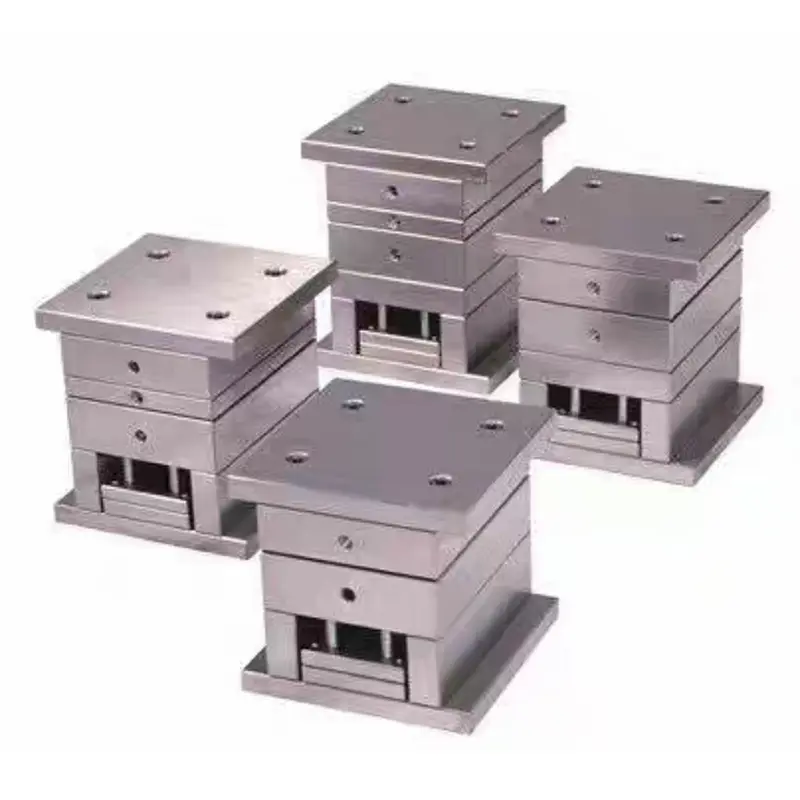
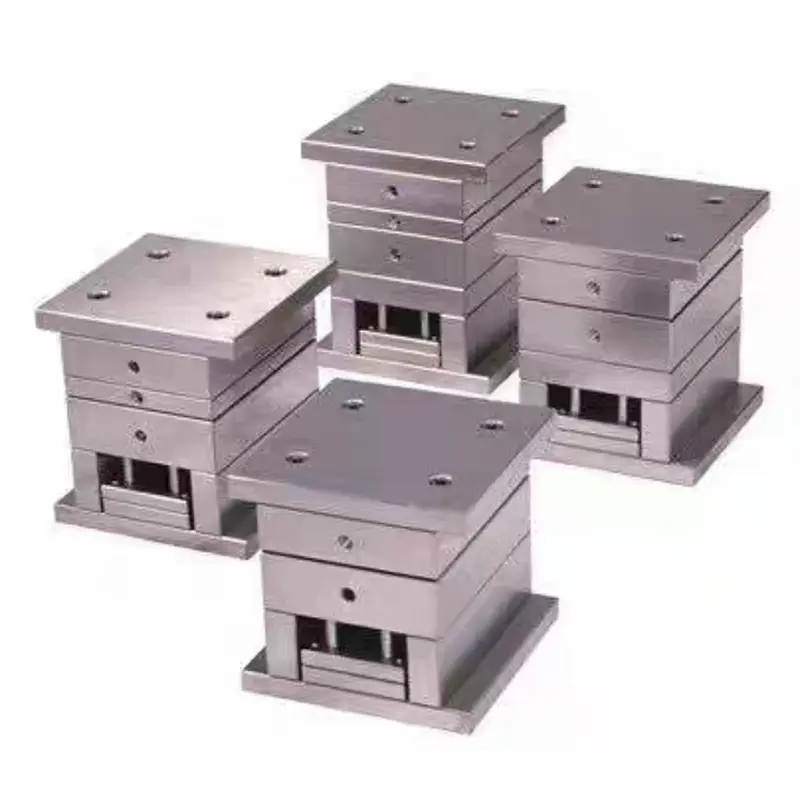
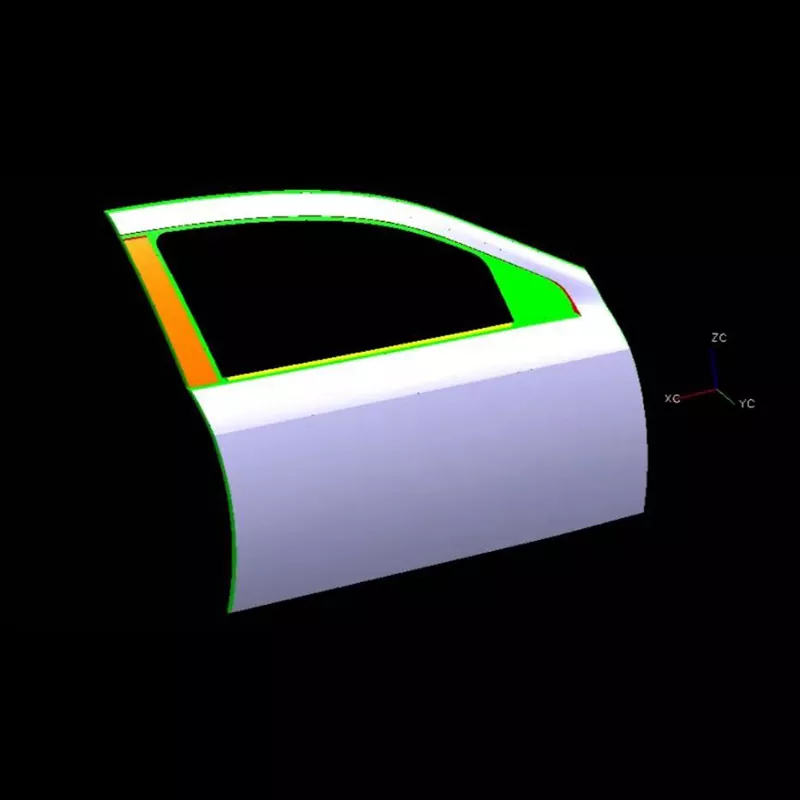
The development of precision manufacturing is increasing attention on Isostatic Graphite as industries seek more stable electrode materials for complex EDM applications. From automotive molds to electronic components, advanced machining requirements are changing how graphite materials are selected and processed.
Electrical Discharge Machining (EDM) has become an important technology for producing parts with complex geometries, narrow structures, and difficult-to-machine materials. As product designs become smaller, more detailed, and more demanding, traditional electrode materials face increasing challenges in maintaining machining accuracy and efficiency.
The evolution of EDM is closely connected with improvements in electrode materials. Among different graphite categories, isostatic graphite is gaining wider attention because of its uniform structure, stable electrical performance, and ability to support precision machining requirements.
Why Precision EDM Requires More Advanced Electrode Materials
EDM works differently from conventional cutting processes. Instead of removing material through direct mechanical contact, it uses controlled electrical discharge between an electrode and a workpiece.
This process makes it possible to machine hardened steel, complex cavities, and intricate shapes that are difficult to produce using traditional methods. However, the quality of EDM results depends heavily on electrode performance.
As industries move toward:
- More complex mold designs
- Smaller component structures
- Higher surface finish requirements
- Longer production cycles
A suitable EDM electrode must balance several characteristics, including electrical conductivity, thermal stability, machining performance, and resistance to wear.
What Makes Isostatic Graphite Different?
The main difference between isostatic graphite and many traditional graphite materials comes from its production process.
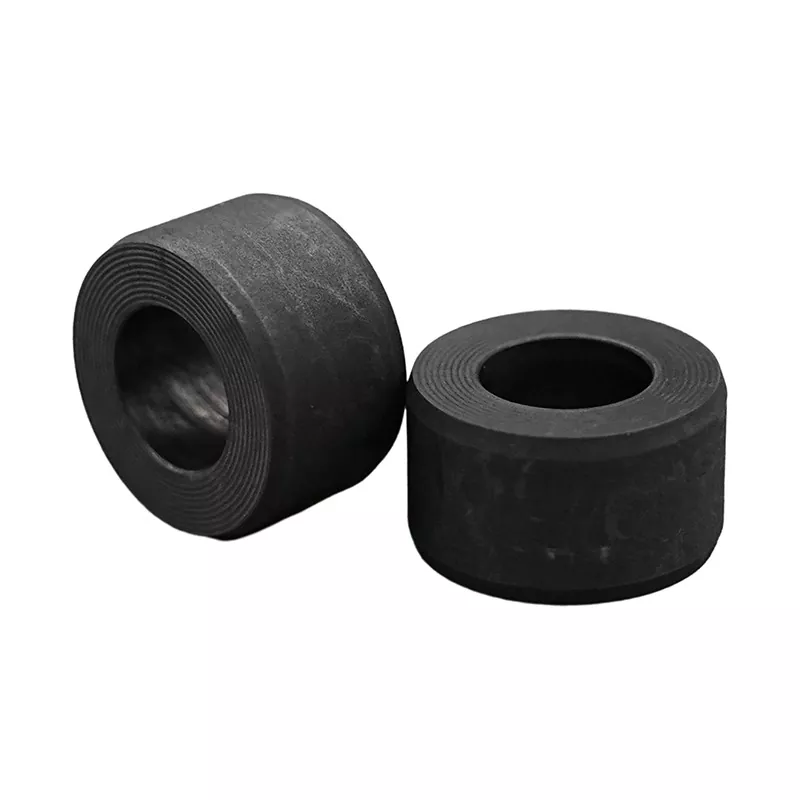
During isostatic pressing, graphite particles are compressed evenly from multiple directions. This creates a more uniform internal structure compared with materials produced through processes where properties may vary depending on direction.
This structural consistency provides several advantages for precision applications.
| Material Characteristic | Importance in EDM Applications |
|---|---|
| Uniform grain structure | Helps maintain stable machining performance |
| Good electrical conductivity | Supports efficient discharge processes |
| Low thermal expansion | Reduces dimensional changes during heat exposure |
| Fine particle structure | Supports detailed electrode designs |
| Good machinability | Allows complex electrode shapes to be produced |
These characteristics make Isostatic Graphite suitable for applications where dimensional accuracy and repeatable machining results are important.
Automotive Mold Production Is Driving Higher EDM Requirements
Automotive manufacturing is one of the industries experiencing significant changes in tooling requirements.
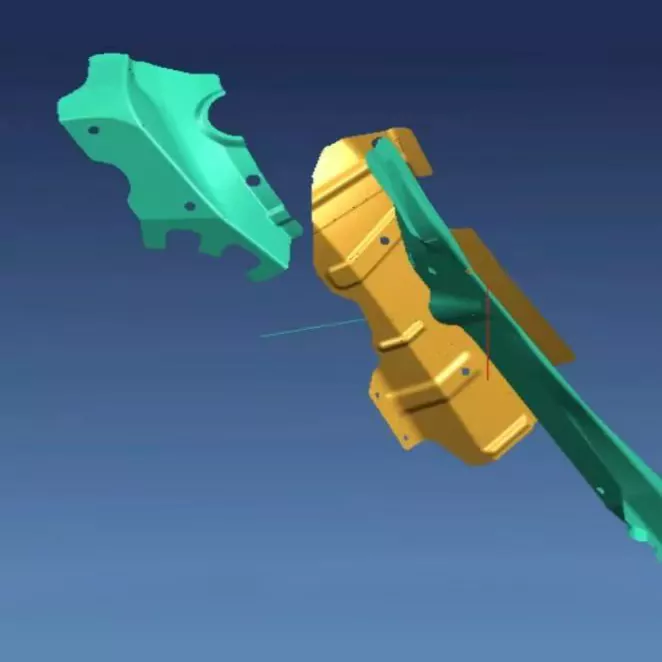
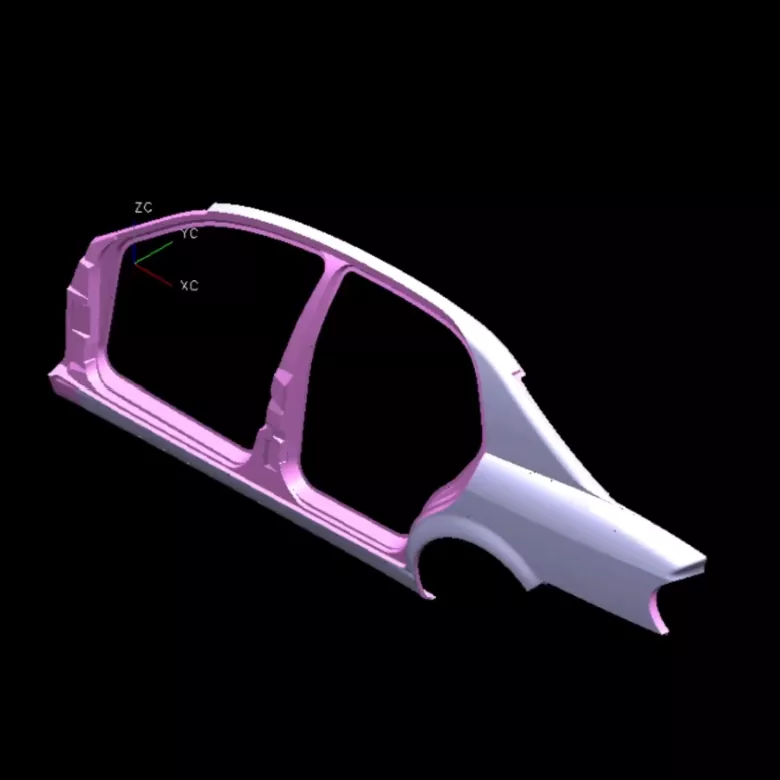
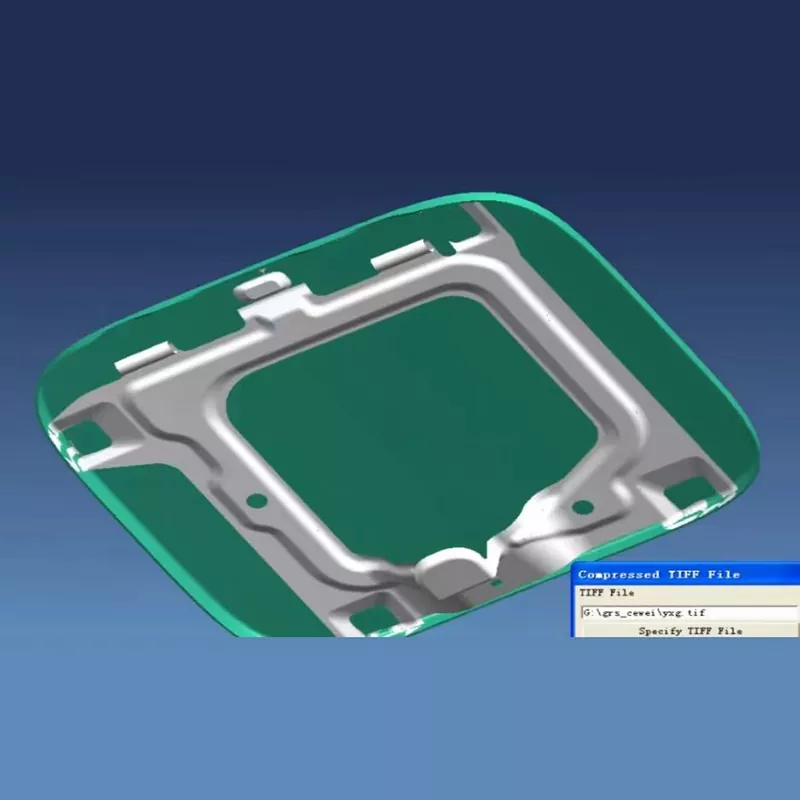
The development of electric vehicles, lightweight structures, and more integrated components has increased the complexity of automotive molds. Many modern molds require deep cavities, sharp corners, fine surface structures, and precise dimensional control.
EDM is frequently used in mold production because it can process hardened materials after heat treatment and create geometries that are difficult to achieve with conventional machining.
For mold-related applications, electrode stability becomes especially important. Small variations in electrode wear or machining behavior may influence the final surface quality and dimensional accuracy of the mold.
This has encouraged greater interest in high-performance graphite materials that can support stable EDM processes.
The Connection Between Graphite Processing and EDM Performance
The performance of graphite electrodes does not depend only on raw material selection. Processing technology also plays an important role.
Precision machining, dimensional inspection, and surface quality control influence the final electrode performance.
SIKAIDA (Tianjin) International Trade Co., Ltd. has developed experience in graphite processing and precision mold-related industries. The company operates a graphite processing facility established in 2012, focusing on graphite materials, graphite products, and related processing applications.
Its production capabilities include high-precision engraving and milling machines, graphite sawing equipment, wire cutting sawing machines, and inspection instruments such as coordinate measuring machines and roughness testers.
These technologies support the processing of graphite products with attention to dimensional accuracy and application requirements.
Key Trends Reshaping the EDM Graphite Market
The EDM industry is moving toward higher precision, improved efficiency, and more application-specific material selection.
Several trends are influencing future development:
| Industry Trend | Impact on EDM Graphite |
|---|---|
| Miniaturization of components | Requires finer grain graphite materials |
| Growth of EV manufacturing | Increases demand for complex mold processing |
| Semiconductor development | Creates demand for high-purity materials |
| Automated machining systems | Requires more consistent electrode performance |
| Complex mold structures | Encourages advanced graphite processing |
Market research indicates that EDM isostatic graphite demand is being influenced by growth in automotive tooling, electronics, aerospace, and other precision manufacturing sectors.
Why Material Selection Matters in Future EDM Applications
Choosing an EDM electrode material is not simply a matter of comparing specifications. Different applications require different balances between machining speed, surface finish, electrode wear, and production conditions.
For example:
- Large mold cavities may prioritize machining efficiency.
- Fine structures may require smaller grain sizes and better detail reproduction.
- High-precision components may require stable material properties throughout processing.
This means future EDM applications will rely increasingly on material selection based on actual processing requirements rather than a single standard solution.
The Future Role of Isostatic Graphite in Precision Manufacturing
As manufacturing industries continue developing more complex products, EDM technology will remain an important method for precision processing.
The demand for smaller features, stronger materials, and improved surface quality is pushing electrode materials toward higher consistency and better performance.
Isostatic Graphite represents an important direction in this evolution because its structural uniformity and processing characteristics match the needs of modern precision machining.
With experience in graphite processing, precision mold components, and EDM-related applications, SIKAIDA (Tianjin) International Trade Co., Ltd. continues to participate in the development of advanced industrial materials, including Isostatic Graphite, graphite electrodes, precision graphite products, and mold processing components, supporting the changing requirements of modern manufacturing.