English
- English
- Español
- Português
- русский
- Français
- 日本語
- Deutsch
- tiếng Việt
- Italiano
- Nederlands
- ภาษาไทย
- Polski
- 한국어
- Svenska
- magyar
- Malay
- বাংলা ভাষার
- Dansk
- Suomi
- हिन्दी
- Pilipino
- Türkçe
- Gaeilge
- العربية
- Indonesia
- Norsk
- تمل
- český
- ελληνικά
- український
- Javanese
- فارسی
- தமிழ்
- తెలుగు
- नेपाली
- Burmese
- български
- ລາວ
- Latine
- Қазақша
- Euskal
- Azərbaycan
- Slovenský jazyk
- Македонски
- Lietuvos
- Eesti Keel
- Română
- Slovenski
- मराठी
- Srpski језик

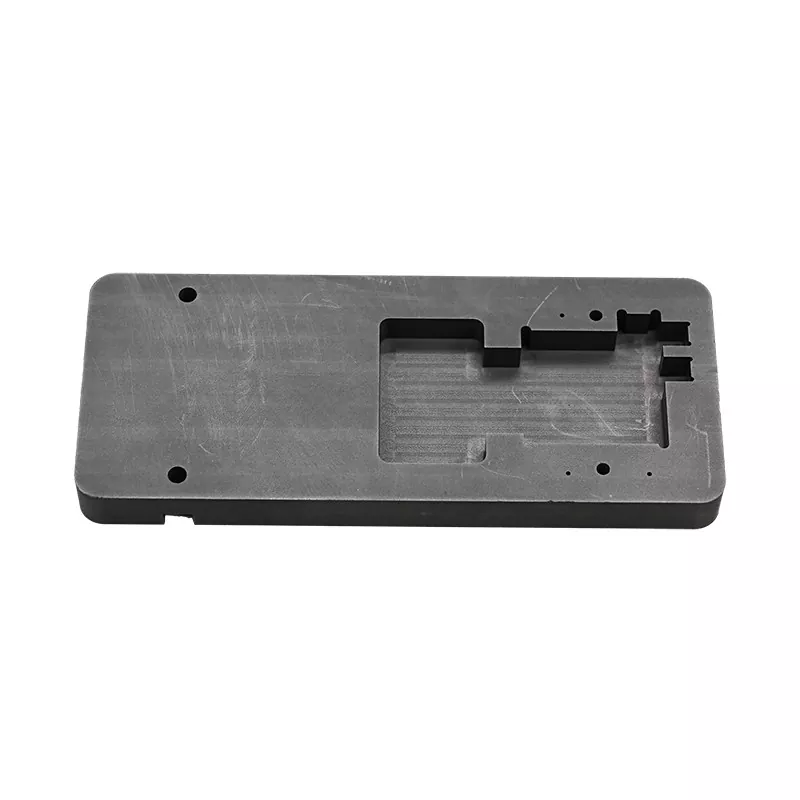
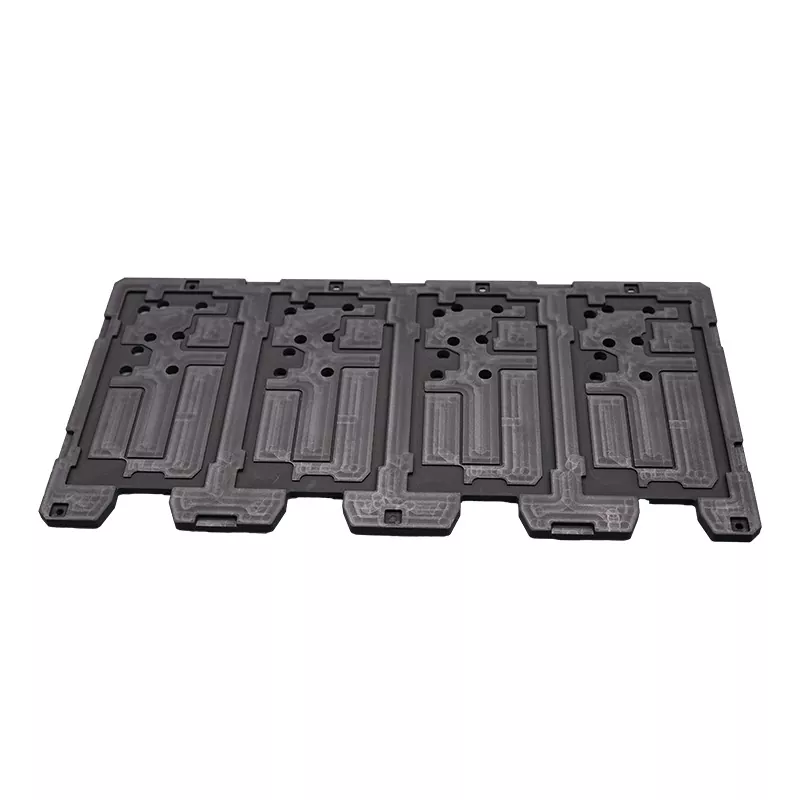
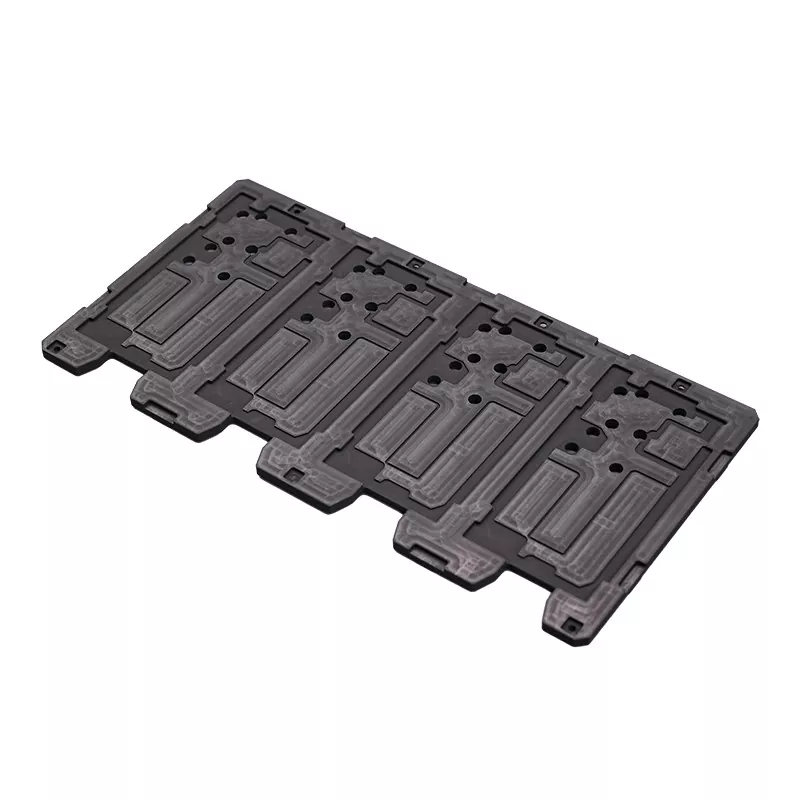
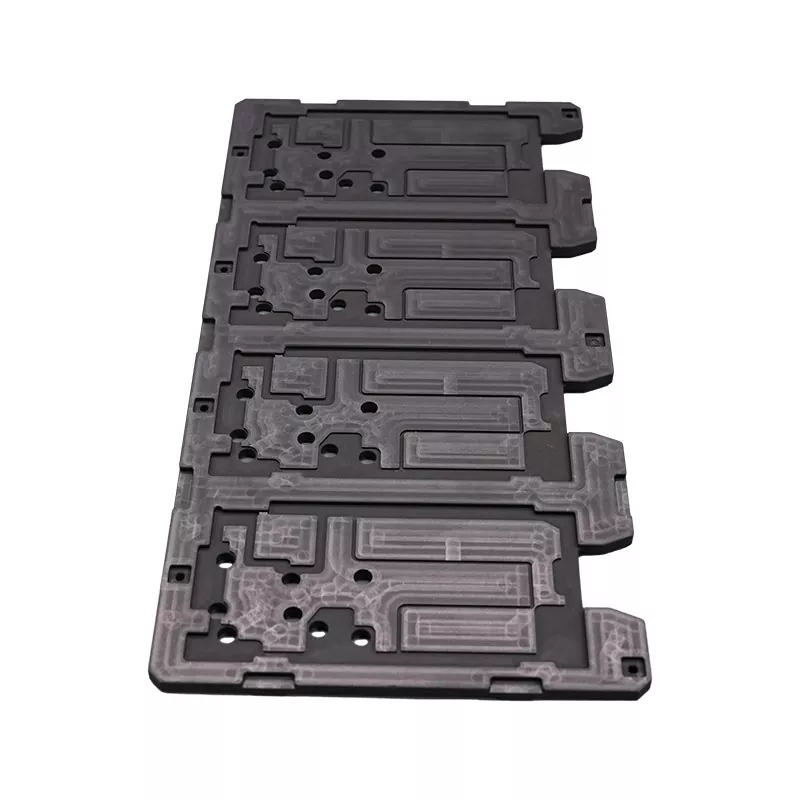
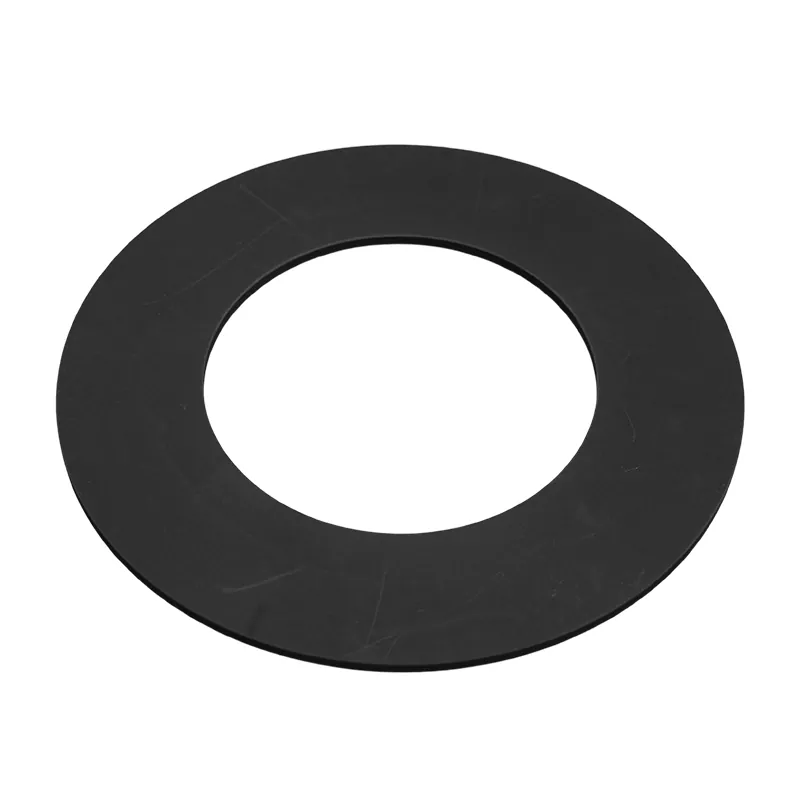
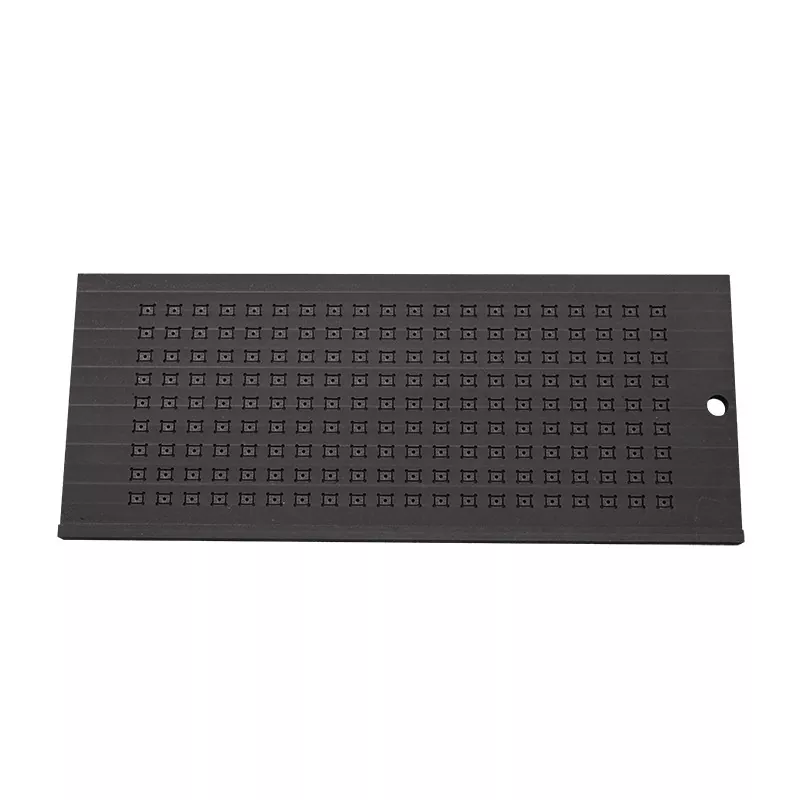
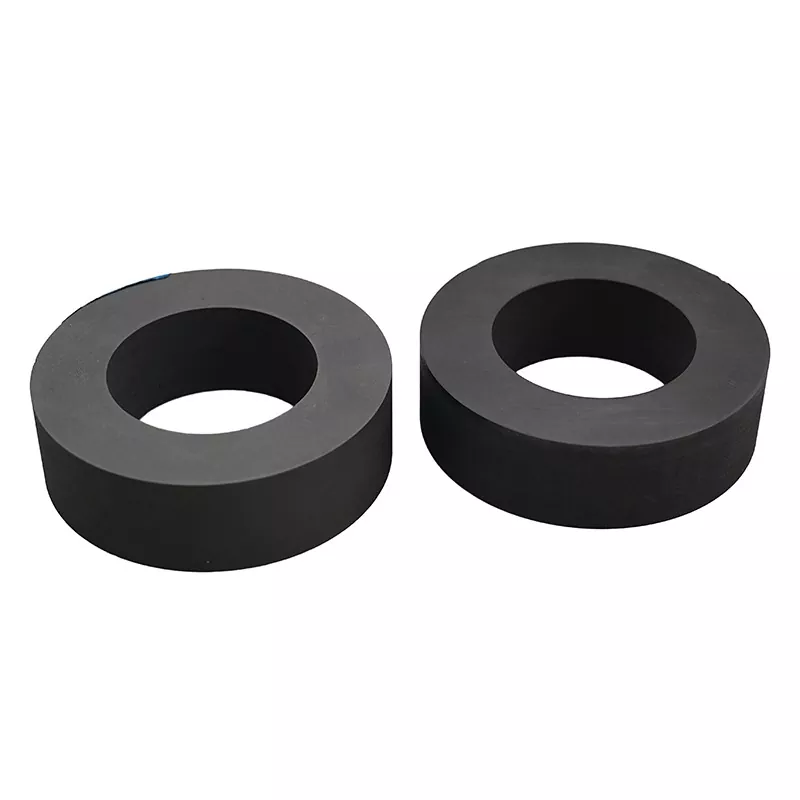
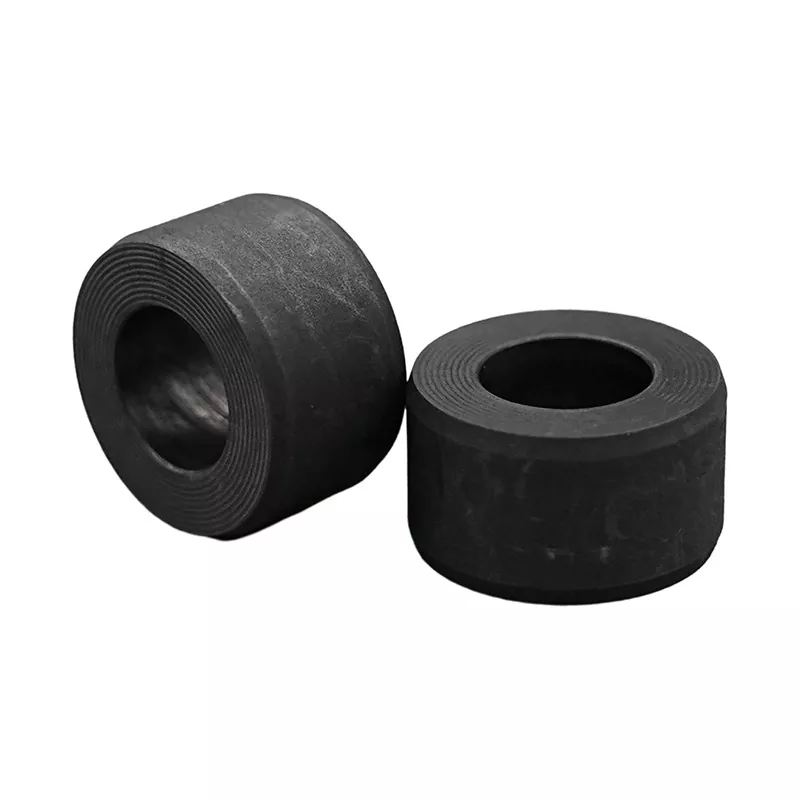
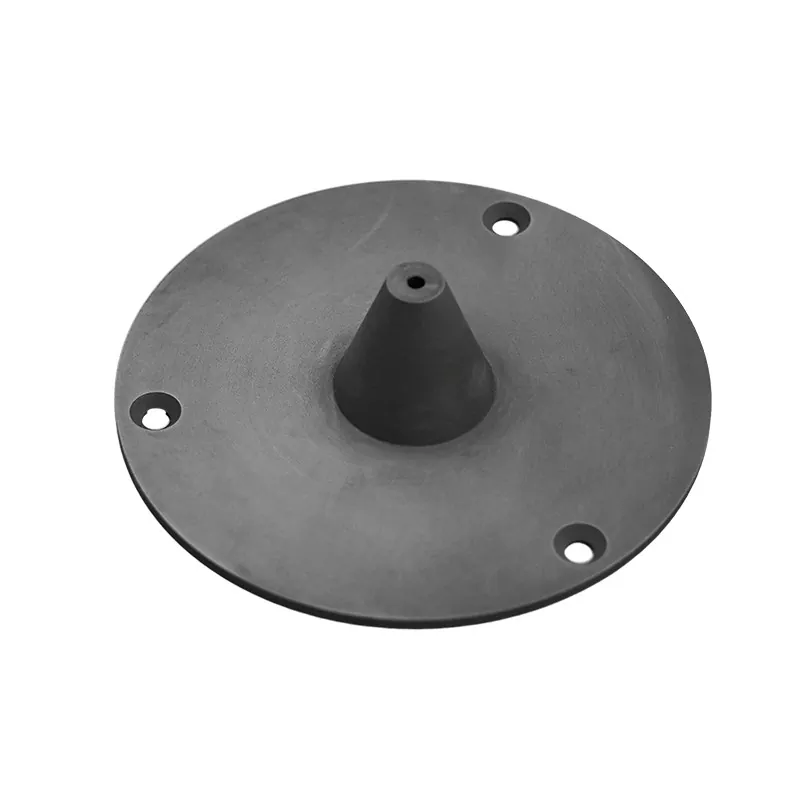
Electronic Sintering Tooling Molds
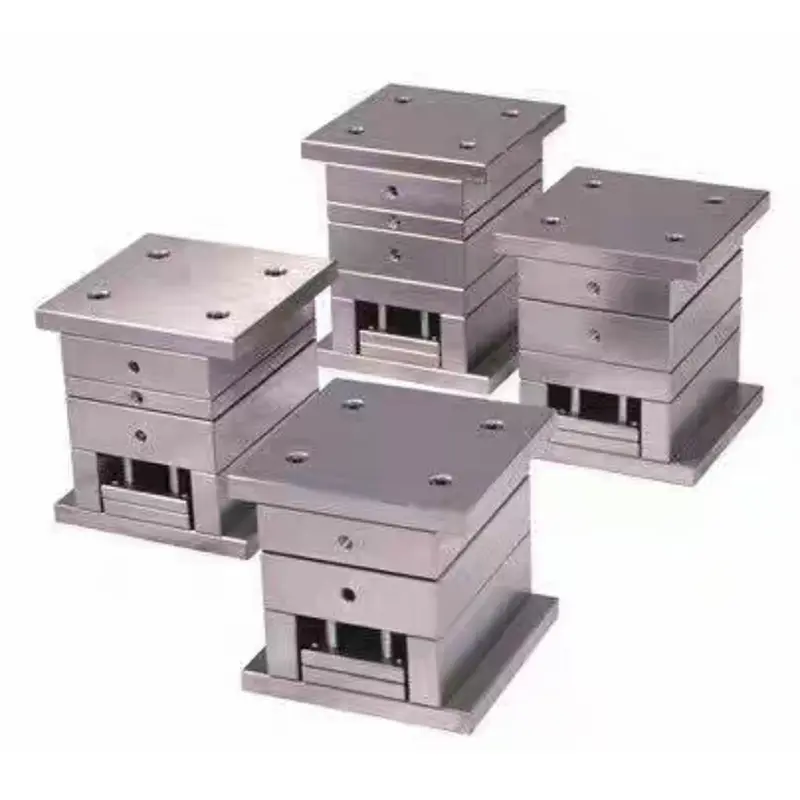
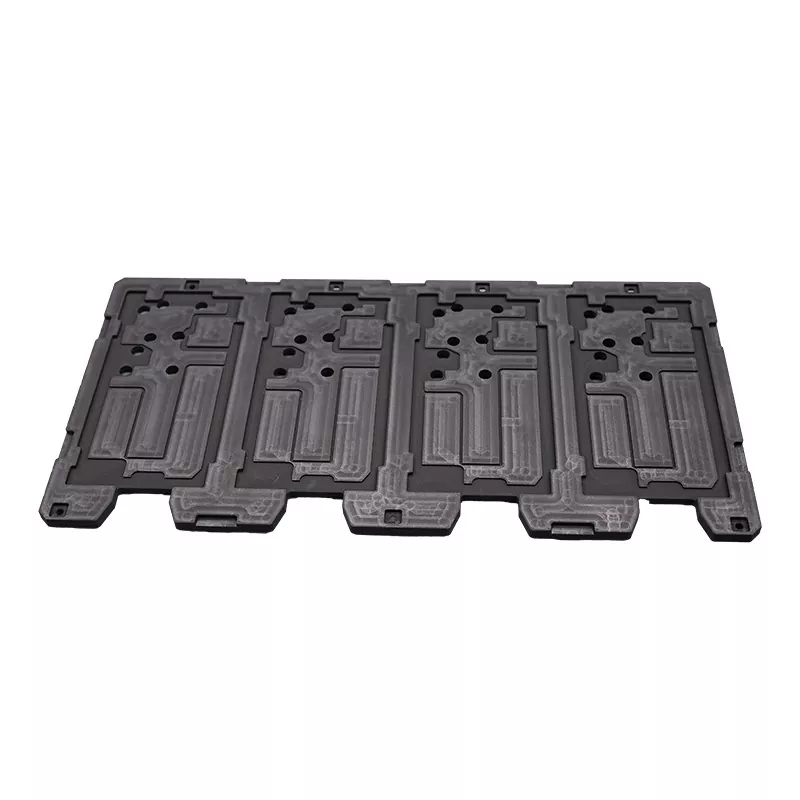
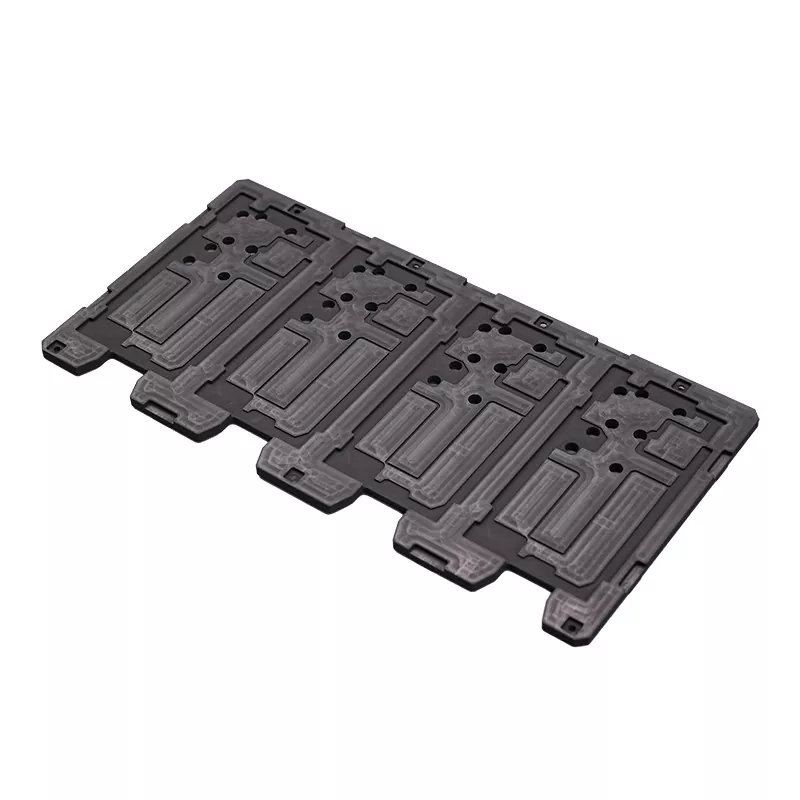
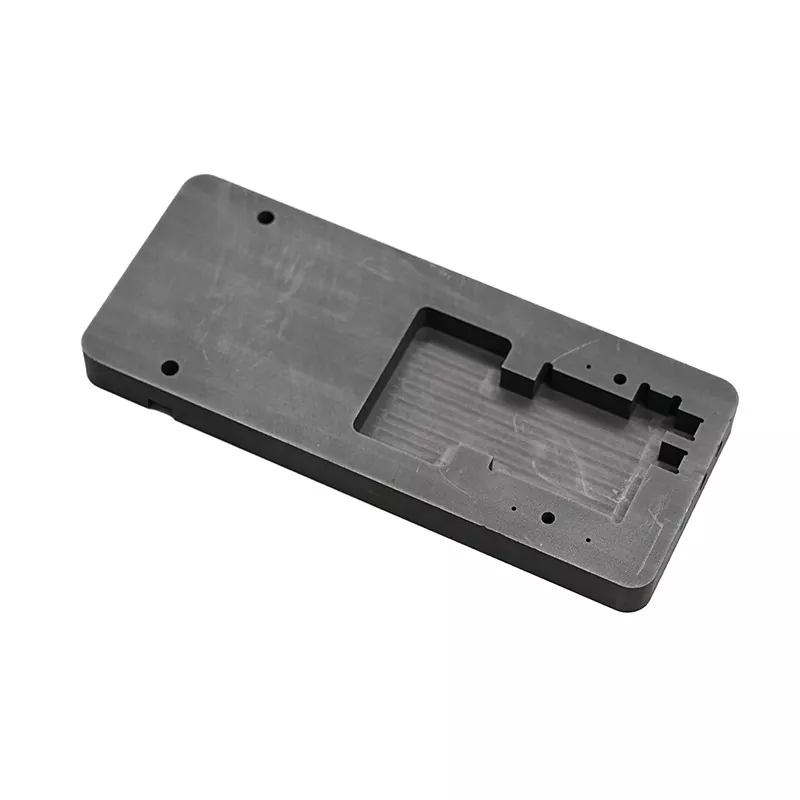
SIKAIDA, a reliable Chinese manufacturer, specializes in the research and development and production of high-quality Electronic Sintering Tooling Molds. Our products use high-purity graphite and special high-temperature resistant alloys as main raw materials, combined with advanced precision machining and heat treatment technologies to ensure temperature uniformity, dimensional accuracy, and service life during the sintering process. As a professional supplier, we are committed to providing global customers with durable, precise, and cost-effective customized solutions to meet the stringent requirements of the rapidly developing electronics industry for sintering tooling molds.
SIKAIDA's Electronic Sintering Tooling Molds are core equipment in the sintering processes of various electronic components, solving the pain points of traditional molds such as uneven temperature, insufficient precision, and short lifespan. As a professional factory with extensive production experience, we integrate advanced manufacturing concepts and strict quality control into all aspects of production to ensure that every mold meets the highest standards of our customers and the industry.
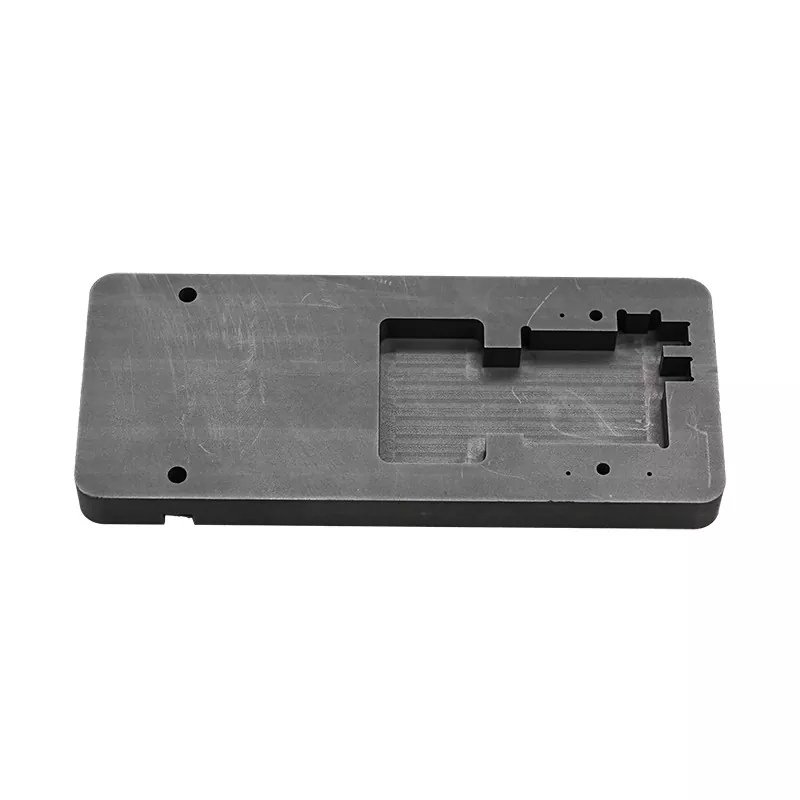
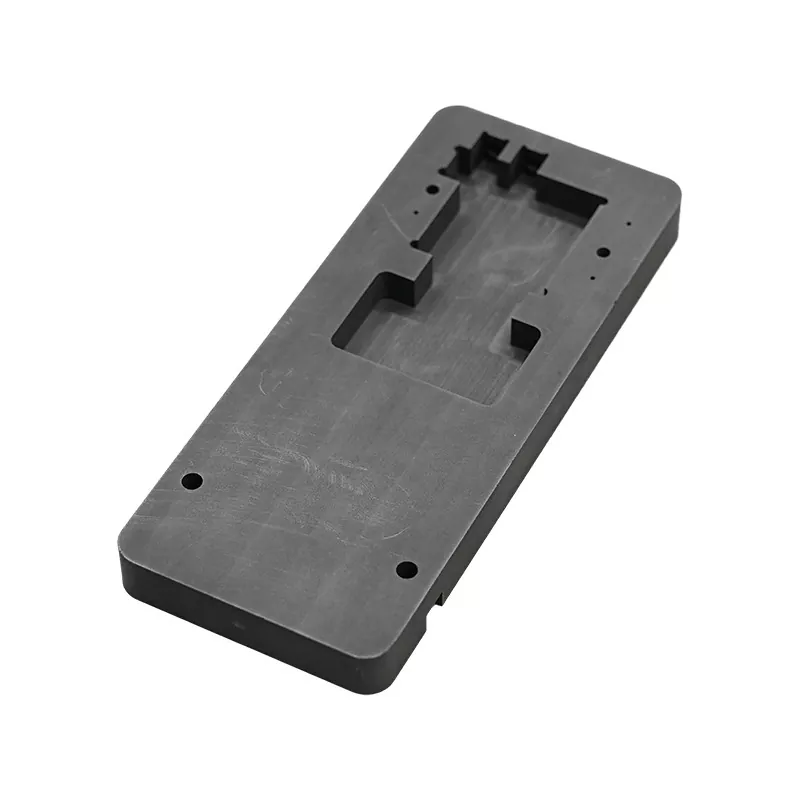
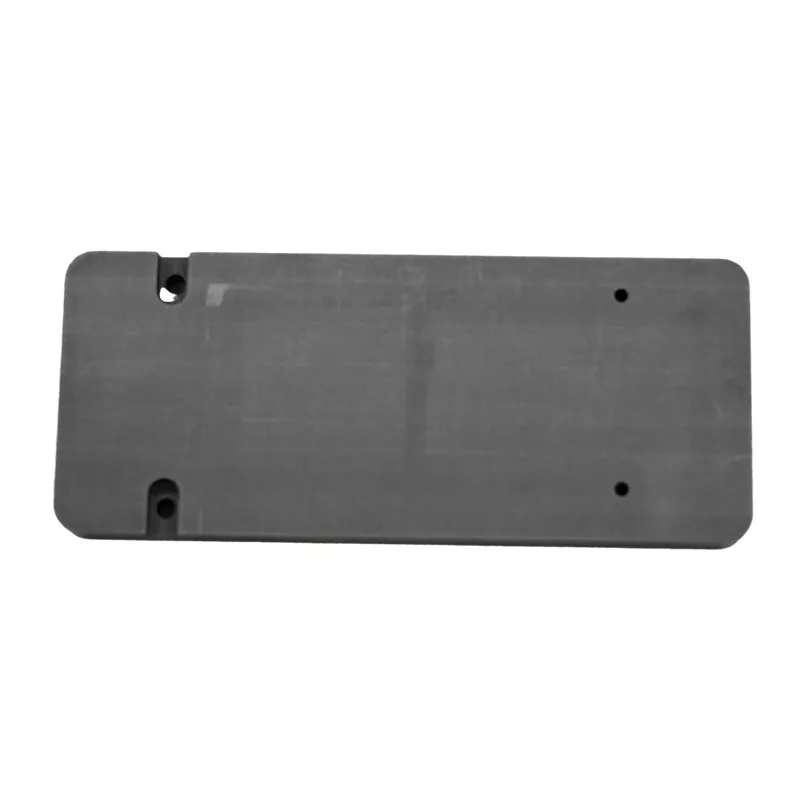
Electronic Sintering Tooling Molds are widely applicable to the sintering of electronic components such as ceramic capacitors, resistors, inductors, and semiconductor devices. Their structural design balances uniform heating, easy demolding, and operational safety, maintaining stable geometry and precise dimensional fit even at high temperatures. The surface undergoes special treatment, providing excellent non-stick and corrosion resistance, effectively extending lifespan, reducing maintenance frequency, and helping customers improve production efficiency and control overall costs.
Core Specifications
|
Category |
Specific Specifications/Equipment |
Technical Parameters |
|
Manufacturing Process |
CNC Milling, Wire Cutting, EDM, Heat Treatment |
High-precision CNC control, ±0.05mm accuracy, Ra≤0.8μm, Vacuum Quenching |
|
Equipment & Machinery |
High-speed CNC Machine, Precision EDM Machine, etc. |
Mitsubishi System (Japan), ±0.005mm accuracy, Temperature Uniformity ±5℃ |
|
Material Selection |
High-purity Graphite, Special Heat-resistant Steel, etc. |
Purity ≥99.5%, Working Temperature ≥1600℃, Corrosion & Oxidation Resistance |
|
Surface Treatment |
Vacuum Coating, Nitriding, Ceramic Coating, Precision Polishing |
HRC48-52, Friction Coefficient ≤0.1, High Temperature Resistance, High Surface Finish |
Core Advantages
1. High-Precision Dimensional Control: Key dimensional tolerances are within ±0.05mm, ensuring consistency and high yield of sintered components, meeting the precision requirements of the electronics industry.
2. Excellent High-Temperature Resistance: Utilizing high-purity graphite and special heat-resistant steel, they can operate stably for extended periods at 1600℃ without deformation.
3. Uniform Temperature Distribution: Optimized structure and high-quality thermally conductive materials prevent localized overheating/underheating, improving component quality stability.
4. Long Service Life: Special heat treatment and surface treatment extend the lifespan of molds by 3-5 times compared to ordinary molds, reducing replacement costs.
5. Quick Demolding Design: Optimized demolding mechanism reduces component adhesion, improving production efficiency and yield.
6. Flexible Customization Capabilities: Personalized designs and one-stop solutions can be provided according to customer product specifications and process requirements.
Technical Capabilities
1. Material Selection and Proportioning
Electronic Sintering Tooling Molds uses high-purity graphite (≥99.5%) paired with a special heat-resistant steel frame, balancing high-temperature resistance and structural strength; the materials undergo rigorous heat treatment to eliminate internal stress and improve dimensional stability.
2. Structural Design Optimization
Finite element analysis (FEA) is used to optimize the structure, ensuring shape stability under high temperature and pressure; thermal expansion matching is considered to solve the problem of dimensional changes at high temperatures.
3. Precision Control System
Strict quality control throughout the entire process, high-precision CNC machining, and key dimensions are inspected by a coordinate measuring machine to ensure that the mold meets design accuracy.
4. Surface Treatment Process
Electronic Sintering Tooling Molds undergo precision polishing and a special coating, achieving a Ra≤0.8μm surface roughness, reducing adhesion, facilitating demolding, and improving high-temperature resistance and oxidation resistance.
5. Thermal Management Technology
Optimized mold heating and cooling system, coupled with precise temperature control equipment, achieves a temperature control accuracy of ±5℃, ensuring stable sintering temperature.
Processed Materials
|
Material Category |
Specific Material Model |
Characteristic Description |
|
High-purity Graphite |
ISO-63, ISO-80 |
Purity ≥99.5%, High temperature resistance, Good thermal conductivity |
|
Special Heat-resistant Steel |
Inconel 718, H13 |
Good high-temperature strength, Matching thermal expansion coefficient |
|
Ceramic Fiber |
Polycrystalline Alumina |
Temperature resistance ≥1600℃, Good insulation performance |
|
High-temperature Resistant Sealing |
High-temperature Silicone, Graphite Sealing |
Corrosion resistance, Excellent sealing performance |
Surface Finish Treatment
|
Treatment Category |
Treatment Method |
Core Features |
|
Precision Polishing |
Mechanical Polishing |
Smooth surface, No defects, Ra≤0.8μm |
|
Surface Coating |
Ceramic Coating
|
Wear resistance, Corrosion resistance, High temperature resistance |
|
Vacuum Coating |
PVD/CVD |
High surface hardness, Low friction coefficient |
|
Nitriding Treatment |
Ion Nitriding |
Surface hardness HRC48-52, Good wear resistance |
Technical Standards and Qualifications
1. Tolerance Accuracy: ±0.05mm; Surface Roughness: Ra≤0.8μm; Operating Temperature: ≤1600℃; Service Life: ≥30,000 cycles
2. Industry Standards: ISO9001:2015, SGS RoHS, REACH; Quality System: ISO14001, OHSAS18001
Application Areas
1. Ceramic Capacitor Manufacturing: Ensures precise dimensions and uniform sintering of multilayer ceramic capacitors, improving dielectric performance and reliability.
2. Thick Film Circuit Production: Compatible with thick film resistors, capacitors, and other components, offering good material compatibility and ensuring stable electrical performance after sintering.
3. Semiconductor Device Packaging: Adapted for power semiconductor sintering, high temperature resistance, precise positioning, and stable pressure control.
4. Piezoelectric Element Manufacturing: Does not chemically react with piezoelectric materials, ensuring stable and consistent piezoelectric performance.
5. Electronic Ceramic Substrates: Meets substrate flatness and surface quality requirements, ensuring dimensional accuracy after sintering.
6. Thick Film Sensors: Optimized structure ensures precise positioning and uniform heating of sensor elements.
FAQs
Q1: What materials are primarily used in SIKAIDA Electronic Sintering Tooling Molds?
A1: Primarily uses high-purity graphite (≥99.5%) and special heat-resistant steel, offering high temperature resistance and excellent thermal conductivity, allowing stable operation at 1600℃.
Q2: What are the mold's precision and lifespan?
A2: Dimensional tolerance ±0.05mm, Ra≤0.8μm; specially treated, lifespan is 3-5 times that of ordinary molds.
Q3: Can you provide customized chemical tooling molds?
A3: Yes, as a professional manufacturer, we can optimize mold dimensions, structure, materials, and other parameters according to customer needs.
Q4: What is the temperature control accuracy during mold sintering?
A4: With the temperature control system, an accuracy of ±5℃ can be achieved. Structural optimization ensures uniform temperature distribution, avoiding any impact on product quality.
Q5: What maintenance precautions should be taken for Electronic Sintering Tooling Molds?
A5: Regularly inspect and clean them; avoid corrosive cleaning agents; store in a dry place for extended periods when not in use; periodically test accuracy and performance.
Related Category
Send Inquiry
Contact Info
-
Address
Fengze Two Avenue, Balitai Industrial Park, Jinnan District, Tianjin City, China
-
Tel
-
Email
Welcome to our website! For inquiries about our products or pricelist, please leave your email to us and we will be in touch within 24 hours.
News Recommendations