English
- English
- Español
- Português
- русский
- Français
- 日本語
- Deutsch
- tiếng Việt
- Italiano
- Nederlands
- ภาษาไทย
- Polski
- 한국어
- Svenska
- magyar
- Malay
- বাংলা ভাষার
- Dansk
- Suomi
- हिन्दी
- Pilipino
- Türkçe
- Gaeilge
- العربية
- Indonesia
- Norsk
- تمل
- český
- ελληνικά
- український
- Javanese
- فارسی
- தமிழ்
- తెలుగు
- नेपाली
- Burmese
- български
- ລາວ
- Latine
- Қазақша
- Euskal
- Azərbaycan
- Slovenský jazyk
- Македонски
- Lietuvos
- Eesti Keel
- Română
- Slovenski
- मराठी
- Srpski језик

How Is the High-Precision Mold Base Market ($3.2 Billion in 2025) Being Reshaped by EV Lightweighting and Integrated Die-Casting Trends?
SIKAIDA (Tianjin) International Trade Co., Ltd. is gaining attention in the evolving High-Precision Mold Bases sector as electric vehicle development and integrated die-casting technologies push the automotive tooling industry toward higher accuracy, faster production cycles, and more reliable mold solutions.
The global automotive manufacturing landscape is undergoing a major transformation. Electric vehicles (EVs), lightweight structures, and large integrated casting technologies are changing how components are designed, produced, and assembled. These changes are also influencing the mold industry, where precision, stability, and adaptability have become increasingly important factors in supporting next-generation production requirements.
As vehicle structures become more complex, traditional tooling approaches are being challenged. Large-scale parts, tighter dimensional requirements, and shorter development cycles are creating demand for advanced mold foundations that can maintain accuracy during intensive production conditions.
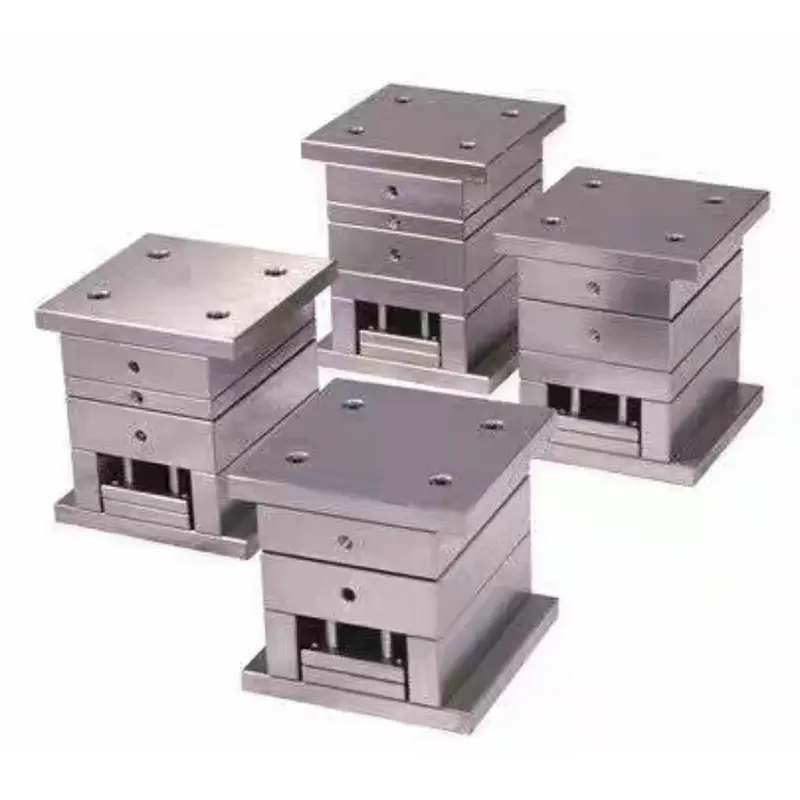
EV Lightweighting Is Changing Automotive Tooling Requirements
The shift toward electric vehicles has created a strong focus on reducing vehicle weight. Unlike traditional vehicles that rely heavily on engine and transmission systems, EVs require different structural designs to improve battery efficiency and driving range.
Automotive companies are increasingly adopting lightweight materials, optimized structures, and integrated components. These trends directly affect mold development because larger and more complex parts require tooling systems with stronger rigidity and higher machining precision.
Integrated die-casting technology allows multiple smaller components to be combined into larger body structures. This reduces assembly steps but places more pressure on mold systems. Any minor dimensional error in a large casting mold can influence final assembly accuracy and production efficiency.
| Industry Trend | Impact on Mold Production | Required Capability |
|---|---|---|
| Larger vehicle structural parts | Increased mold size and complexity | Stable large-scale mold bases |
| Lightweight material application | More precise forming requirements | Better machining accuracy |
| Integrated die-casting technology | Higher stress during production | Stronger structural support |
| Faster vehicle development cycles | Reduced tooling adjustment time | Efficient processing and quality control |
These changes are encouraging companies across the automotive supply chain to reconsider how mold foundations are designed and manufactured.
Integrated Die-Casting Creates New Challenges for Mold Bases
Integrated die-casting has become one of the most discussed technologies in automotive manufacturing. Instead of producing multiple small components and assembling them later, this approach combines several sections into a single large casting.
While this method can improve efficiency, it also introduces new technical challenges.
Large casting molds experience greater mechanical pressure, thermal variation, and repeated production stress. The mold base must provide stable support while maintaining precise positioning between different components.
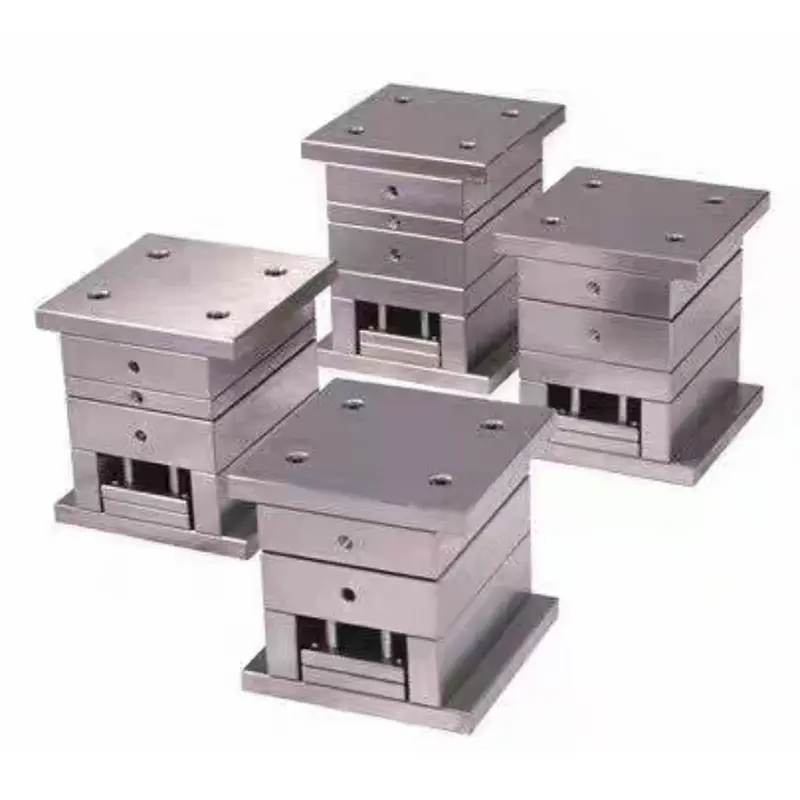
This is where advanced High-Precision Mold Bases play an important role. A reliable mold base helps maintain mold alignment, reduces unnecessary adjustment work, and supports consistent production performance under extended operating conditions.
Why Precision and Stability Matter More Than Ever
Many production issues are not caused by obvious design problems but by small inconsistencies accumulated during machining, assembly, and operation.
- Dimensional deviations after repeated use
- Longer adjustment periods during mold installation
- Reduced production efficiency caused by inaccurate positioning
- Higher maintenance requirements due to structural instability
A well-controlled mold base production process can help reduce these risks by improving consistency from the beginning.
SIKAIDA’s Approach to Supporting Precision Mold Applications
Established in 2017 and located in Balitai Industrial Park, Jinnan District, Tianjin, SIKAIDA (Tianjin) International Trade Co., Ltd. has developed experience in precision mold-related industries, including large automotive injection molds, stamping molds, small precision molds, mold bases, and precision mold components.
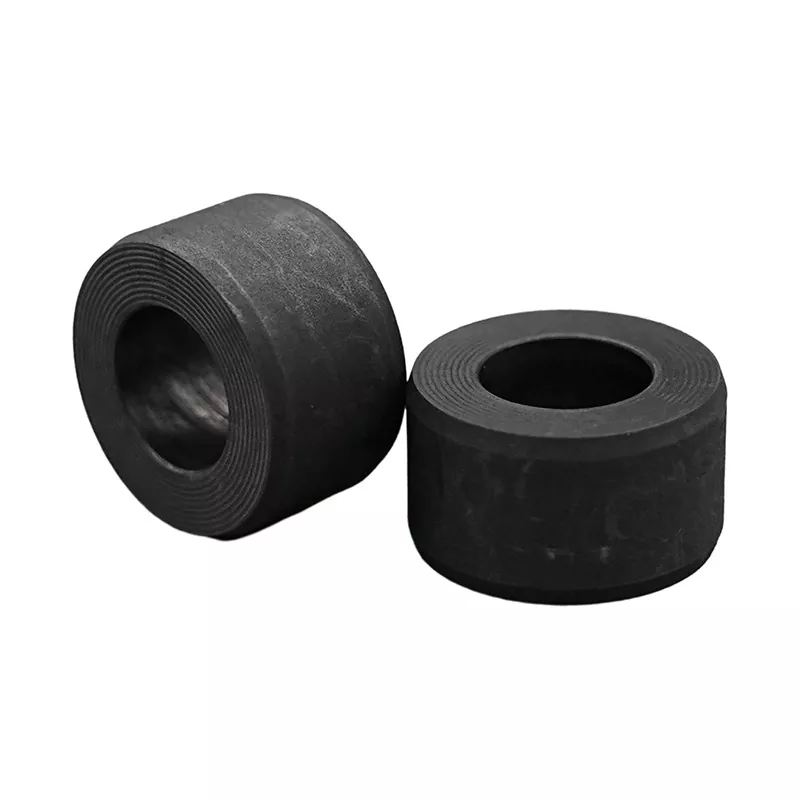
The company also operates a graphite processing factory established in 2012, focusing on graphite materials and graphite products used in industrial applications.
SIKAIDA has built a structured quality management approach involving supplier evaluation, technical tracking, and project management. Before cooperation with processing partners, suppliers are evaluated based on equipment capability, technical experience, and production performance.
During project processing, the SKD technical team follows progress from raw material selection through final delivery. This process helps maintain quality control across different production stages.
Production Capability Behind Modern Mold Requirements
The increasing complexity of automotive molds requires not only design knowledge but also advanced machining and inspection capabilities.
SIKAIDA’s graphite processing facility is equipped with various precision processing and testing equipment, supporting stable production for different industrial applications.
| Equipment Category | Quantity / Capability | Application Purpose |
|---|---|---|
| High-precision engraving and milling machines | 20 units | Precision graphite and mold-related processing |
| Vertical graphite sawing machines | 2 units | Material cutting operations |
| Graphite wire cutting sawing machines | 2 units | Detailed shape processing |
| Coordinate Measuring Machine (CMM) | 1 unit | Dimensional inspection |
| 2D measuring instrument | 1 unit | Accuracy verification |
| Resistance meter and roughness tester | Available | Material and surface quality testing |
For mold-related industries, production equipment is only one part of the overall capability. Process control, technical experience, and communication between engineering teams are equally important.
Market Outlook: Precision Tooling Moves Toward Greater Integration
The estimated $3.2 billion global market value of High-Precision Mold Bases in 2025 reflects a broader industrial movement toward more accurate and efficient manufacturing systems.
Several trends are expected to influence future development:
1. Larger Automotive Components
As integrated casting technologies continue to expand, mold systems will need to handle increasingly large components while maintaining structural accuracy.
2. More Demanding Quality Standards
Modern vehicles require improved safety, durability, and performance. This creates stronger expectations for tooling consistency.
3. Faster Product Development
Automotive innovation cycles are becoming shorter. Mold-related industries must improve responsiveness without reducing quality.
4. Increased Focus on Process Transparency
Industrial customers increasingly value clear production processes, quality tracking, and technical communication when selecting long-term cooperation opportunities.
How Mold Technology Supports the Future of Automotive Manufacturing
The evolution of EVs is not only changing vehicles themselves but also reshaping the manufacturing foundation behind them. From lightweight structures to integrated die-casting, every technological improvement creates new requirements for tooling systems.
Mold bases may not be the most visible part of automotive production, but they directly influence manufacturing accuracy, efficiency, and reliability. A stable foundation allows advanced molds to perform effectively under demanding production environments.
Companies with experience in precision machining, quality management, and material processing are better positioned to support these industry changes.
As automotive production continues moving toward larger structures and smarter manufacturing methods, High-Precision Mold Bases will remain an important element in achieving consistent results. With its precision mold solutions, graphite processing capabilities, and technical management system, SIKAIDA (Tianjin) International Trade Co., Ltd. continues to participate in this changing industrial environment through products including High-Precision Mold Bases, automotive mold components, precision mold parts, and graphite products.
Related News
- How Is Isostatic Graphite Supporting the Next Generation of Precision EDM?
- Why Are Lightweight Materials Forcing a Complete Rethink of How Automotive Stamping Dies Are Designed?
- How Do Ultra-High Precision Mold Bases Improve Manufacturing Accuracy and Efficiency?
- What Makes Standard Precision Mold Bases Essential for High-Quality Manufacturing?
- Why Are Automotive Body Exterior Panel Stamping Molds Crucial in Modern Car Manufacturing?
- How Do Automotive Interior Parts Injection Molds Improve Quality and Efficiency?
Leave me a message