English
- English
- Español
- Português
- русский
- Français
- 日本語
- Deutsch
- tiếng Việt
- Italiano
- Nederlands
- ภาษาไทย
- Polski
- 한국어
- Svenska
- magyar
- Malay
- বাংলা ভাষার
- Dansk
- Suomi
- हिन्दी
- Pilipino
- Türkçe
- Gaeilge
- العربية
- Indonesia
- Norsk
- تمل
- český
- ελληνικά
- український
- Javanese
- فارسی
- தமிழ்
- తెలుగు
- नेपाली
- Burmese
- български
- ລາວ
- Latine
- Қазақша
- Euskal
- Azərbaycan
- Slovenský jazyk
- Македонски
- Lietuvos
- Eesti Keel
- Română
- Slovenski
- मराठी
- Srpski језик



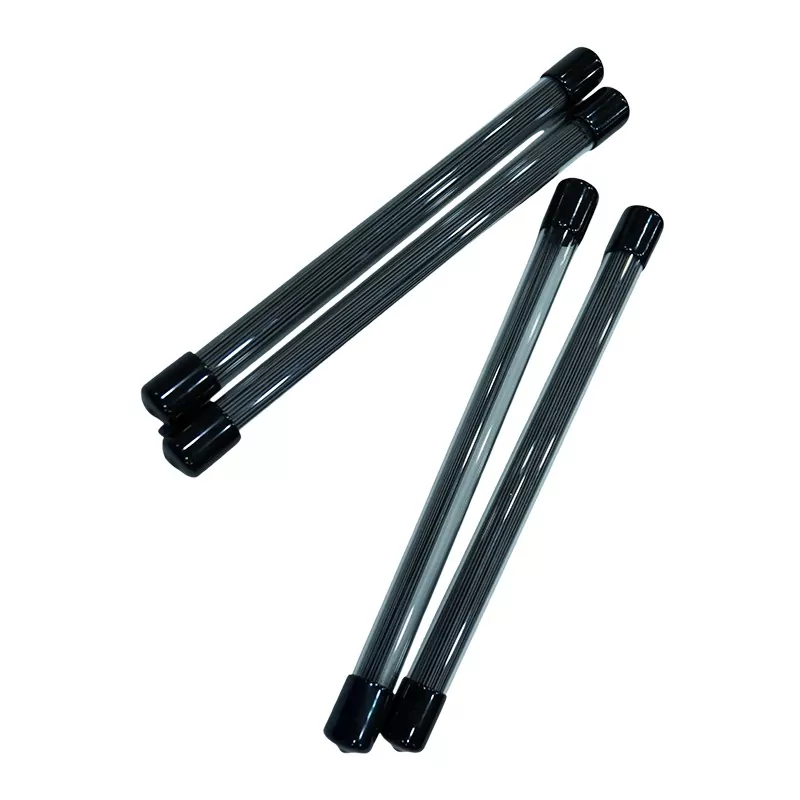
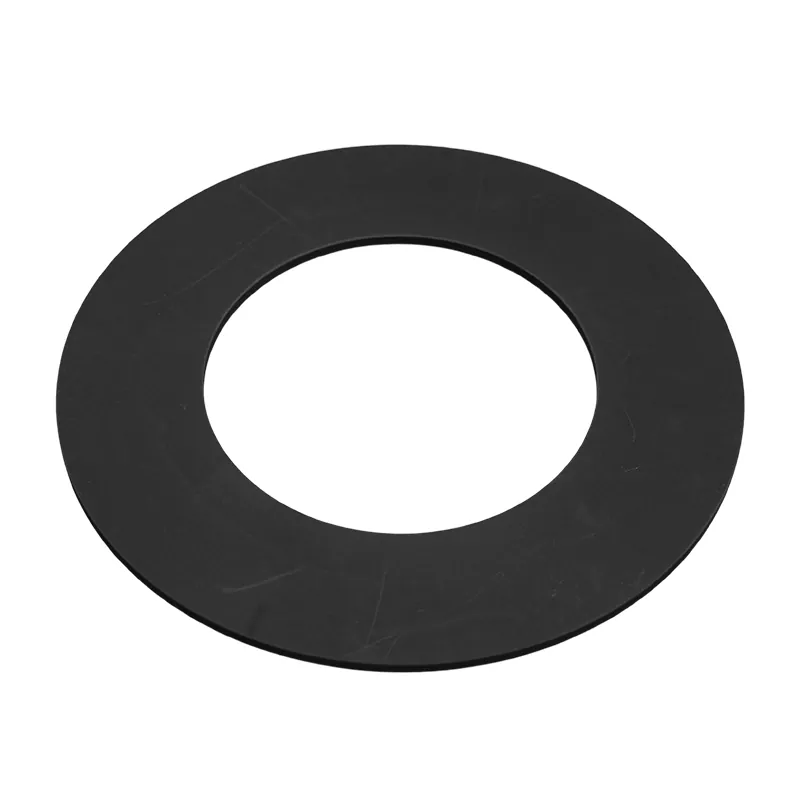
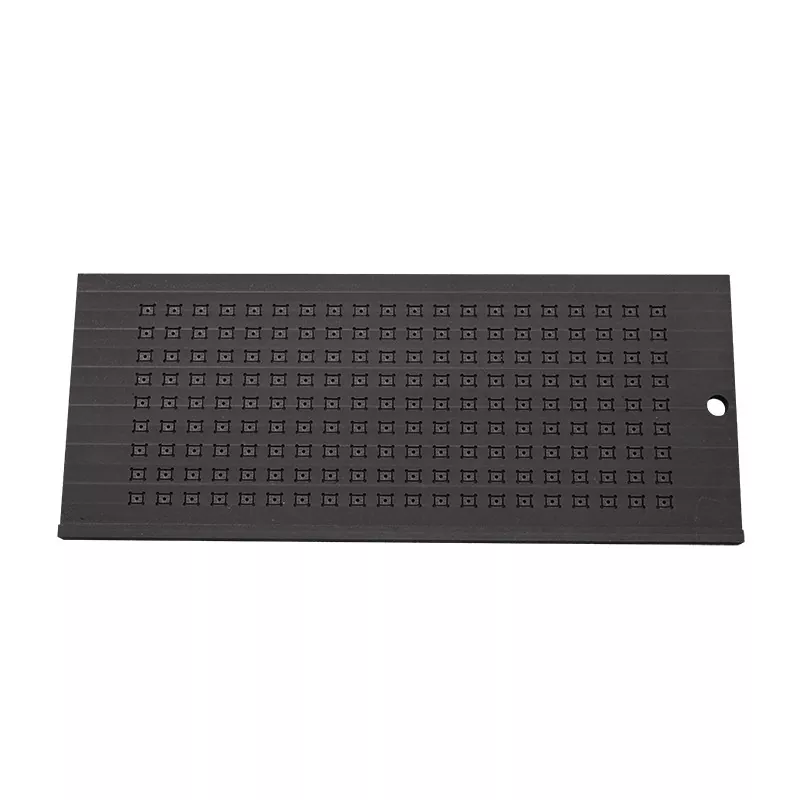
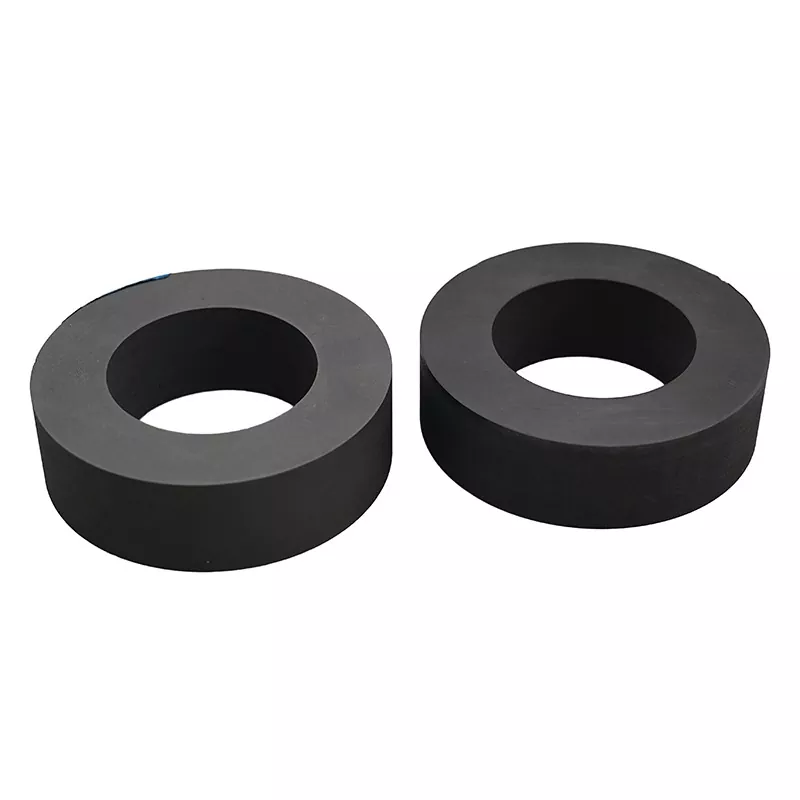
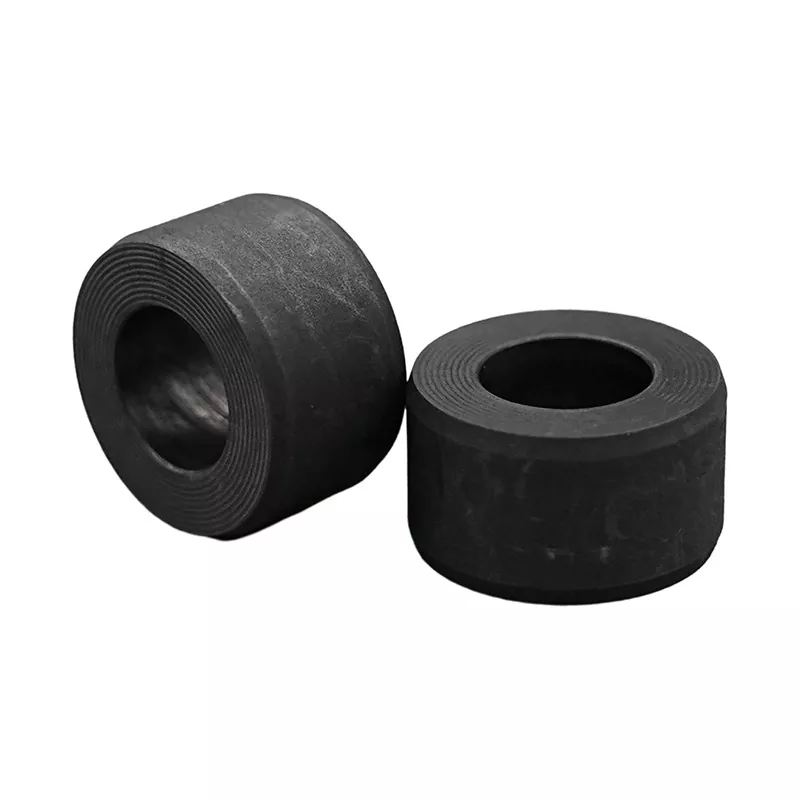
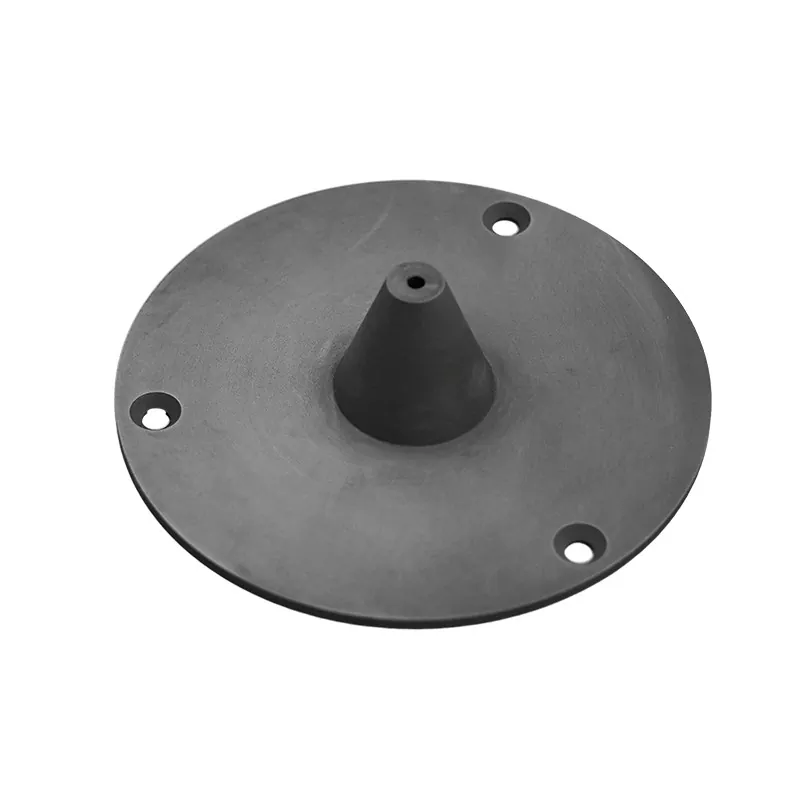
Graphite Hard Felt
SIKAIDA Graphite Hard Felt is an advanced high-temperature insulation material independently developed and manufactured by our factory. It is made from high-quality carbon fiber through molding, curing, and high-temperature graphitization processes. This material possesses excellent high-temperature resistance, chemical stability, and thermal insulation and sealing performance, maintaining structural integrity and superior performance even in extreme environments up to 3000℃.
SIKAIDA Graphite Hard Felt is a high-performance advanced composite material, manufactured in a single process by crushing carbon fibers, adding binders, molding, curing, and graphitizing at temperatures above 2400℃. Based on fiber length, it can be divided into long-fiber hard felt and short-fiber hard felt. Compared to soft felt, it has higher density, superior mechanical strength, and structural stability, while retaining excellent thermal insulation performance, filling the gap in high-performance insulation materials for extreme high-temperature scenarios.
Graphite Hard Felt employs an advanced density gradient structure process, undergoing various surface treatments or purification processes to further enhance its strength and performance. It maintains stable chemical structure and physical properties even in high-temperature environments of 2200-3000℃, making it an ideal insulation material for high-end industrial applications.
Core Specifications
|
Parameter Category |
Specific Indicators |
Technical Parameters |
|
Manufacturing Process |
Molding Method |
Injection Molding/Compression Molding |
|
Treatment Temperature |
High-temperature Graphitization above 2400℃ |
|
|
Equipment |
Molding Machine, Temperature Controller, etc. |
|
|
Material Composition |
Base Material |
High-quality Carbon Fiber/PAN-based Carbon Fiber |
|
Binder |
Phenolic Resin or Other High-temperature Binders |
|
|
Graphite Content |
≥99.9% |
|
|
Physical Properties |
Density |
0.16-0.4 g/cm³ (Customizable) |
|
Thermal Conductivity |
0.15-0.20 W/(m·K) (At 1000℃) |
|
|
Porosity |
85-90% |
|
|
Ash Content |
≤0.1% |
|
|
Mechanical Properties |
Flexural Strength |
Longitudinal ≥2.3 Mpa, Transverse ≥1.8 Mpa |
|
Elastic Modulus |
High Modulus |
|
|
Thermal Properties |
Long-term Service Temperature |
2200-3000℃ |
|
Thermal Stability |
Excellent, Thermal Shock Resistance |
|
|
Application Fields |
Main Industries |
High-temperature Furnaces, Vacuum Systems, Semiconductors, New Energy |
Core Product Features
1. Excellent High Temperature Resistance: Can be used long-term at extreme temperatures of 2200-3000℃, exhibiting superior thermal stability and thermal shock resistance, far exceeding traditional insulation materials.
2. Excellent Thermal Insulation: Low thermal conductivity and high porosity effectively block heat conduction and radiation, performing exceptionally well in vacuum furnaces and inert environments.
3. Strong Chemical Stability: Resistant to strong corrosion, maintaining stability in acidic and alkaline environments, ensuring long-term reliable use.
4. Lightweight and High Strength: Lower density than traditional refractory materials, yet higher strength, reducing weight by 30-50%, combining structural stability and load-bearing capacity.
5. Flexible Adaptability: Although a rigid felt, it retains a degree of flexibility, adapting to complex shapes and suitable for thermal insulation and sealing of irregularly shaped structures.


Application Areas
1. Semiconductor Industry: Used in the thermal field systems of crystal growth equipment such as single-crystal silicon furnaces and polycrystalline silicon furnaces, ensuring a high-purity thermal insulation environment and improving product yield.
2. High-Temperature Furnace Systems: Compatible with industrial furnaces such as vacuum furnaces and atmosphere furnaces, reducing energy consumption and extending furnace lifespan.
3. New Energy Manufacturing: Used for high-temperature insulation in lithium battery and photovoltaic equipment production, ensuring process stability and product consistency.
4. Aerospace: Used for thermal insulation and protection of high-temperature components such as engines, reducing weight and improving reliability.
5. Chemical Industry: Compatible with reactors, high-temperature pipelines, and other equipment; highly corrosion-resistant and with a long service life.
Core Advantages
1. High temperature resistance limit: Graphite Hard Felt can withstand long-term operating temperatures of 2200-3000℃ and even higher temperatures in short periods.
2. High purity (graphite content ≥99.9%), low ash content, no environmental pollution, suitable for high-purity processes.
3. High thermal insulation efficiency, significantly reducing equipment energy consumption.
4. Excellent mechanical strength, stable structure, not easily deformed or damaged.
5. Resistant to acid and alkali corrosion, suitable for harsh environments.
6. Lightweight design, reducing equipment load and installation costs.
7. Highly customizable, adaptable to different application scenarios.
8. Environmentally friendly and energy-saving, low production energy consumption, and recyclable materials.
Technical Strength
1. Material Technology
Graphite Hard Felt uses high-quality PAN-based and pitch-based carbon fibers, with fiber diameter controlled between 7.0-12.5μm, ensuring uniform microstructure and stable thermal performance. As a professional manufacturer in China, we have strict raw material selection to solidify the foundation of product quality.
2. Manufacturing Technology
Utilizing advanced density gradient structure technology, density is precisely controlled (adjustable from 0.16-0.4 g/cm³), offering various surface treatments such as mechanical polishing and coating to meet diverse customer needs.
3. Quality Control
Following the ISO9001:2015 quality management system, the entire process from raw material inspection to finished product testing is strictly controlled, covering key indicators such as density, thermal conductivity, and flexural strength.
4. R&D Strength
Our factory boasts a professional R&D team and advanced production equipment, enabling customized product development. We have obtained multiple national patents and accumulated extensive technical experience in the field of graphite hard felt.
Frequently Asked Questions
Q1: What is the operating temperature range of Graphite Hard Felt?
A1: The long-term operating temperature of graphite hard felt can reach 2200-3000°C, and it can withstand even higher temperatures for short-term use. The specific temperature range depends on the product density and degree of graphitization.
Q2: Can graphite hard felt be used in a vacuum environment?
A2: Yes, graphite hard felt is particularly suitable for vacuum and inert gas environments. Its low outgassing and excellent thermal insulation properties make it an ideal choice for vacuum furnace systems.
Q3: What is the thermal conductivity of graphite hard felt?
A3: At 1000°C, the thermal conductivity of graphite hard felt is typically 0.15-0.20 W/(m·K), but the specific value varies depending on density and manufacturing process.
Q4: Is graphite hard felt resistant to chemical corrosion?
A4: Yes, graphite hard felt has excellent chemical corrosion resistance and can withstand long-term erosion from corrosive media such as strong acids and alkalis, making it suitable for use in various harsh environments.
Q5: What is the density range of graphite hard felt?
A5: The density range of graphite hard felt is typically 0.16-0.4 g/cm³, but customization is available based on specific customer needs.
Q6: Is the installation of graphite hard felt complicated?
A6: Graphite rigid felt can be prefabricated into various shapes according to customer requirements, and can also be cut and shaped according to site needs, making installation convenient. Although it is called "rigid" felt, it still retains a certain degree of flexibility and can fit complex surfaces well.
Hot Tags: Graphite Hard Felt, China, Manufacturer, Supplier, Factory
Related Category
Send Inquiry
Contact Info
-
Address
Fengze Two Avenue, Balitai Industrial Park, Jinnan District, Tianjin City, China
-
Tel
-
E-mail
Welcome to our website! For inquiries about our products or pricelist, please leave your email to us and we will be in touch within 24 hours.