English
- English
- Español
- Português
- русский
- Français
- 日本語
- Deutsch
- tiếng Việt
- Italiano
- Nederlands
- ภาษาไทย
- Polski
- 한국어
- Svenska
- magyar
- Malay
- বাংলা ভাষার
- Dansk
- Suomi
- हिन्दी
- Pilipino
- Türkçe
- Gaeilge
- العربية
- Indonesia
- Norsk
- تمل
- český
- ελληνικά
- український
- Javanese
- فارسی
- தமிழ்
- తెలుగు
- नेपाली
- Burmese
- български
- ລາວ
- Latine
- Қазақша
- Euskal
- Azərbaycan
- Slovenský jazyk
- Македонски
- Lietuvos
- Eesti Keel
- Română
- Slovenski
- मराठी
- Srpski језик



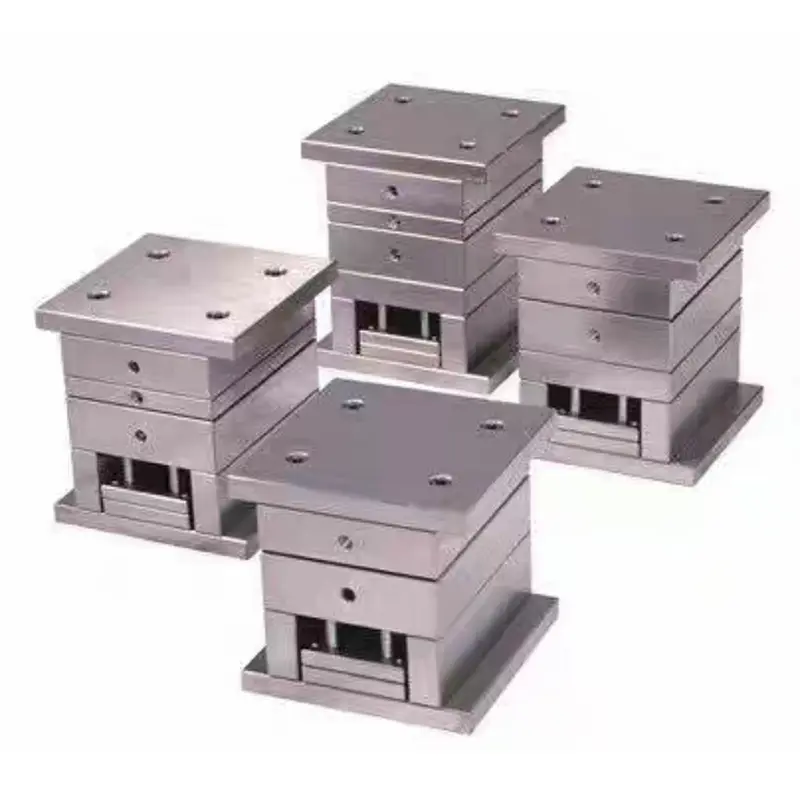
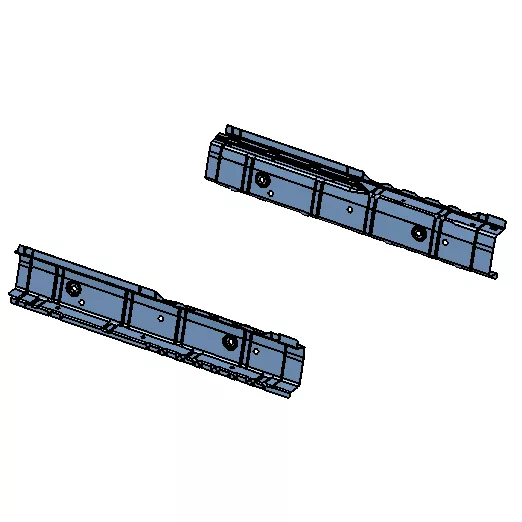
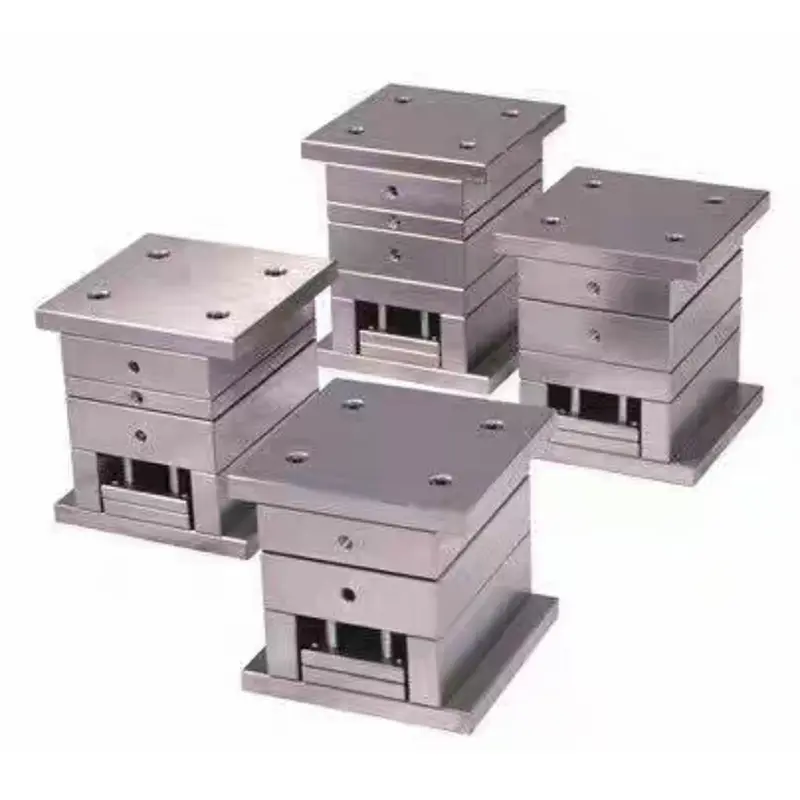
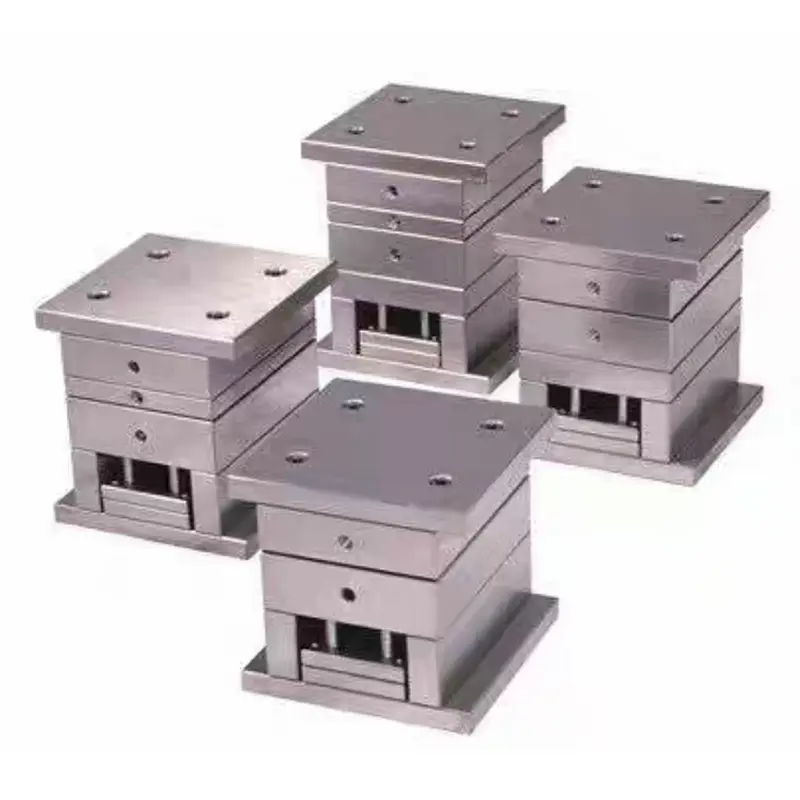
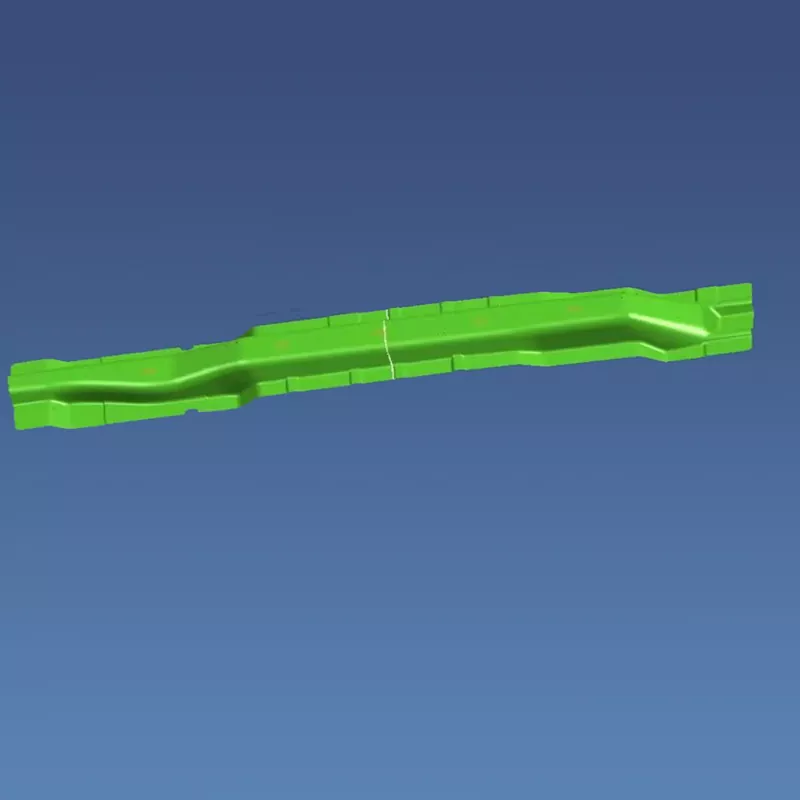
Automotive Front Suspension Assembly Stamping Dies
The front suspension assembly is a core load-bearing component of the chassis, responsible for supporting the vehicle body, bearing various loads, and ensuring driving performance. SIKAIDA Automotive Front Suspension Assembly Stamping Dies are high-precision tooling for producing key suspension components such as control arms. As a professional manufacturer in China, we integrate multiple core technologies, making them not only crucial equipment for automotive production but also a globally trusted supplier capable of mass production in modern factories.
SIKAIDA Automotive Front Suspension Assembly Stamping Dies are specifically designed for the mass production and high-precision manufacturing of suspension structural components, meeting requirements for dimensional accuracy, rigidity, fatigue life, and collision safety. They are widely used in various vehicle types, including passenger cars, commercial vehicles, and electric vehicles.
Core Technology Features:
1. Complex Spatial Structure Forming
Precise control of three-dimensional material flow and stretching in suspension components, with key dimensional accuracy ±0.05mm and spatial position accuracy ±0.1mm. Utilizing multi-pass progressive forming technology, material thinning and stress concentration are avoided.
2. High-Strength Load-Bearing Design
Compatible with high-strength steel and lightweight alloys, high-precision forming of high-stress areas and critical structures, with straightness ≤0.08mm/m and parallelism ≤0.12mm. Professional technology ensures stable material performance.
3. Precision Hole Machining Technology
Integrates multiple processes, completing high-precision hole forming in a single stamping operation. Hole accuracy ±0.03mm and hole diameter cylindricity ≤0.05mm, relying on a high-precision guiding system to ensure hole quality.
4. Multi-Component Welding Integration
Modular design of Automotive Front Suspension Assembly Stamping Dies with reserved welding structures, material utilization ≥85%, rapid mold change adaptability to multi-vehicle production, and improved assembly accuracy and structural strength through welding deformation control.
5. Dynamic Performance and Safety Optimization
Through high-precision guidance and real-time monitoring, with surface accuracy ±0.02mm, optimized stress distribution extends fatigue life, and enhanced energy absorption design improves collision safety.
6. Intelligent Process Control
Utilizing CAE software to optimize parameters, a three-loop control system and intelligent monitoring devices are employed to achieve real-time monitoring of the forming process, ensuring consistent quality in mass production.
Application Areas
Widely used in the front suspension systems of passenger cars, commercial vehicles, SUVs, electric vehicles, high-performance racing cars, trucks, and buses, adapting to the specific needs of various vehicle models.
Manufacturing Process
1. Product Design and Simulation
Using CAE simulation technology, formability analysis, springback calculation, and dynamic optimization are conducted to provide data support for mold design.
2. Mold Structure Design
Through professional software for full 3D design, a modular concept is adopted to adapt to automated production lines, facilitating mold debugging and maintenance.
3. Material Selection
Working parts are made of high-hardness mold steel and special alloys; mold frames and standard parts are made of suitable steel; and the cavity surfaces undergo special treatment to reduce friction and adhesion.
4. Precision Machining Process
Automotive Front Suspension Assembly Stamping Dies undergo roughing, finishing, and surface treatment. Specialized equipment ensures machining accuracy, achieving a surface roughness of Ra0.2-0.4μm. Key areas are reinforced.
5. Assembly and Debugging
After precision assembly, the parts undergo pressure testing and debugging. First-piece inspection and batch trial production optimize parameters to ensure stable production and product reliability.
Development Trends
The industry is developing towards five major directions: lightweight and high-strength integration, precision and dynamic optimization, rapid mold change and flexible production, digital virtual debugging, and green sustainable manufacturing, adapting to the electrification and intelligentization trends in the automotive industry.
Frequently Asked Questions
Q1: What materials are typically used in Automotive Front Suspension Assembly Stamping Dies?
A1: Working parts mainly use high-hardness mold steels such as SKD11, Cr12MoV, and DC53. For deep drawing forming parts and high-stress load-bearing areas, powder metallurgy high-speed steel or cemented carbide is used. The mold base uses structural steel such as 45 steel and Q235 steel, while standard parts such as guide pillars and guide bushings use bearing steel GCr15. For extremely demanding spatial curved surface forming, ceramic or diamond coating materials are sometimes used to ensure the wear resistance and service life of the mold.
Q2: How long is the production cycle for Automotive Front Suspension Assembly Stamping Dies?
A2: Depending on the complexity and precision requirements of the front suspension assembly, the production cycle is typically 18-26 weeks. Standard front suspension assembly molds take approximately 18 weeks, complex spatial structure molds 22 weeks, and ultra-large or lightweight front suspension assembly molds may require more than 26 weeks. The specific cycle depends on the complexity of the front suspension structure, the difficulty of spatial forming, and the dynamic performance requirements.
Q3: What is the service life of the mold?
A3: Under normal use and maintenance conditions, the lifespan of front suspension assembly stamping dies can reach over 250,000 cycles. Through high-quality material selection, proper heat treatment, and precision machining, the lifespan of some dies can reach 450,000 cycles. High-wear areas such as deep-drawn forming parts, high-stress bearing surfaces, and precision holes require regular maintenance and replacement to ensure product quality and forming stability.
Q4: How to ensure the precision and dynamic performance of the front suspension assembly?
A4: By optimizing forming process parameters through CAE analysis, adopting a high-precision guiding system, controlling material springback and thickness distribution, and regularly inspecting and maintaining mold precision, the dimensional accuracy of the front suspension assembly can be controlled within ±0.05mm, and the mating surface accuracy can reach ±0.02mm. At the same time, reasonable structural design and heat treatment processes ensure that the front suspension assembly has sufficient structural strength and dynamic performance.
Q5: What are the key control points in the manufacturing process of Automotive Front Suspension Assembly Stamping Dies?
A5: The key control points in the manufacturing of front suspension assembly molds include: ① Precise machining of complex spatial surfaces to ensure geometric accuracy; ② Forming quality of high-strength bearing structures to ensure position and strength; ③ Machining accuracy of precision holes to ensure assembly quality; ④ Strength of multi-component welded integrated structures; ⑤ Heat treatment processes to ensure hardness and toughness. Each control point requires rigorous quality inspection and process control, especially for the precise control of complex spatial structure forming and high-strength load-bearing areas.
Send Inquiry
Contact Info
-
Address
Fengze Two Avenue, Balitai Industrial Park, Jinnan District, Tianjin City, China
-
Tel
-
Email
Welcome to our website! For inquiries about our products or pricelist, please leave your email to us and we will be in touch within 24 hours.
Related Products
News Recommendations