English
- English
- Español
- Português
- русский
- Français
- 日本語
- Deutsch
- tiếng Việt
- Italiano
- Nederlands
- ภาษาไทย
- Polski
- 한국어
- Svenska
- magyar
- Malay
- বাংলা ভাষার
- Dansk
- Suomi
- हिन्दी
- Pilipino
- Türkçe
- Gaeilge
- العربية
- Indonesia
- Norsk
- تمل
- český
- ελληνικά
- український
- Javanese
- فارسی
- தமிழ்
- తెలుగు
- नेपाली
- Burmese
- български
- ລາວ
- Latine
- Қазақша
- Euskal
- Azərbaycan
- Slovenský jazyk
- Македонски
- Lietuvos
- Eesti Keel
- Română
- Slovenski
- मराठी
- Srpski језик


Automotive Trunk Assembly Stamping Dies
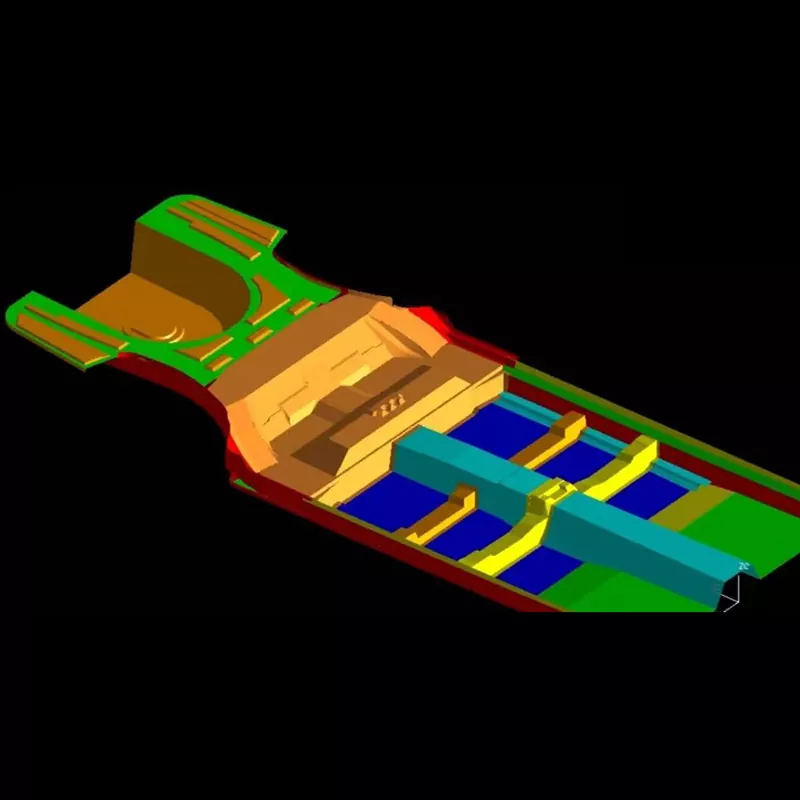
The automotive trunk assembly is a critical component of the vehicle body, and the level of its mold manufacturing directly reflects the professional level of automotive body panel molds. SIKAIDA, as a professional stamping die manufacturer, focuses on producing high-precision, large-scale Automotive Trunk Assembly Stamping Dies for stamping various trunk components. Leveraging its superior technology, SIKAIDA has become a reliable supplier to global automakers. This article introduces its core information to showcase the brand's strength.
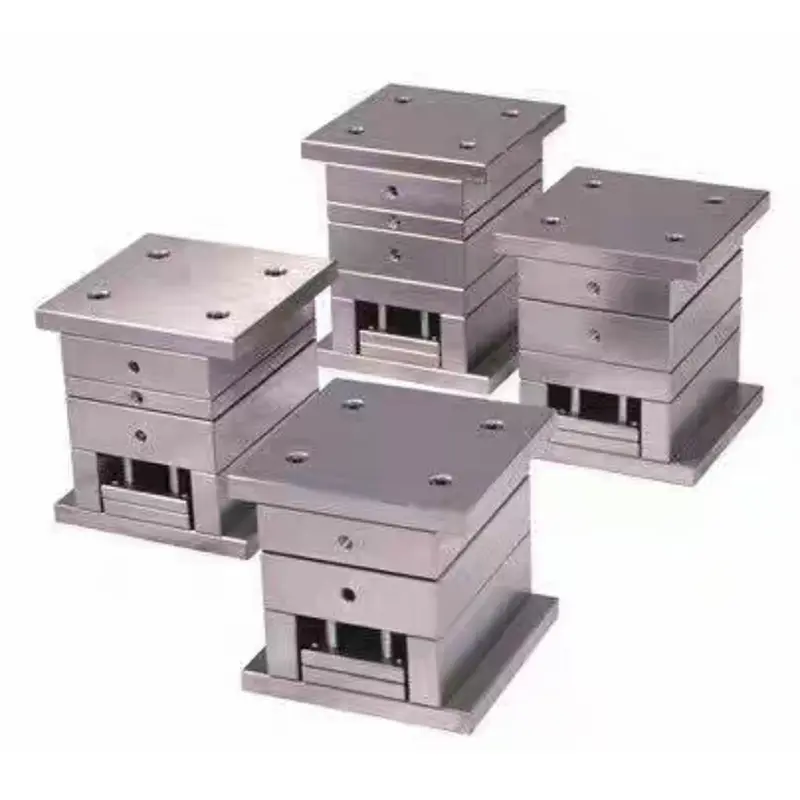
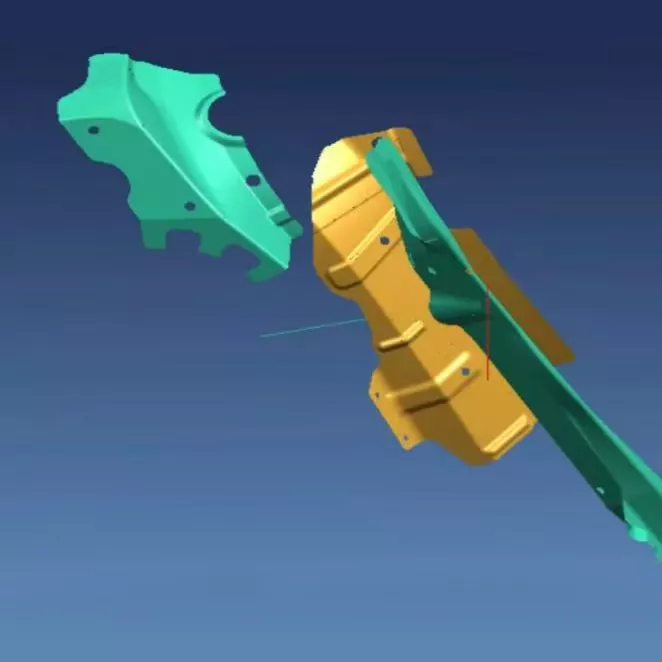
SIKAIDA Automotive Trunk Assembly Stamping Dies are large, high-precision mold systems used for stamping various trunk components. They employ a modular design to adapt to the collaborative needs of multiple processes. Our factory in China integrates full-process services, providing high-quality mold solutions to global automakers.
Core Product Features
1. Large and Complex Structure
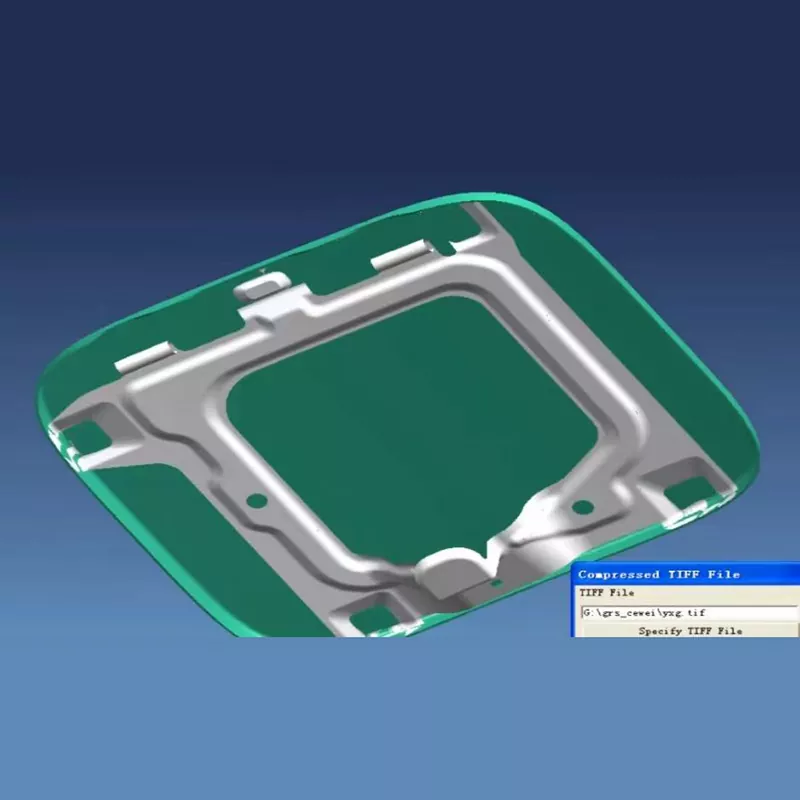
The Automotive Trunk Assembly Stamping Dies are large in size (over 800mm in length and over 600mm in width), with complex cavities requiring the forming of various details; the trunk outer panel has complex curved surfaces, demanding extremely high precision in mold design and processing.
2. High Precision and High Surface Quality Requirements
The luggage compartment outer panel must be defect-free, with clear edges and smooth curves. SIKAIDA strictly controls mold processing and design to ensure that stamped parts meet high industry standards.
3. Multi-Process Integrated Molding
Integrating multiple stamping processes, balancing process coordination and material flow, and strictly controlling the thinning of deep-drawn inner panel material to avoid stamping defects.
4. Large-Scale Pressing and Unloading System
Equipped with large-scale precision pressing, unloading, and ejecting devices to ensure stable material forming, smooth part demolding, improved efficiency, and reduced waste.
5. Complex Guiding and Buffering Structure
Combining precision guiding with a comprehensive buffering system protects the mold, ensures smooth stamping, improves part quality, and extends mold life.
Product Applications:
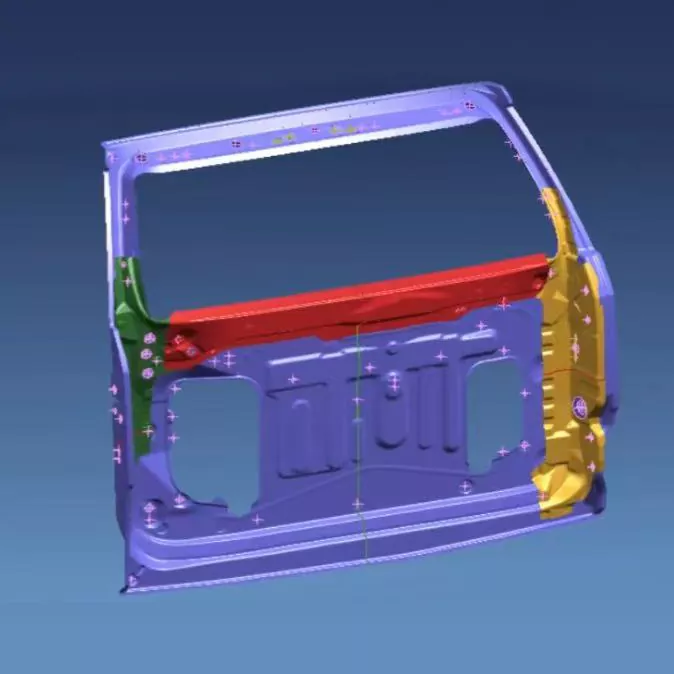
1. Outer Panel Mold: Forms the rear exterior body panels, ensuring appearance and aerodynamic performance;
2. Inner Panel Mold: Forms the internal structure, providing support for storage space;
3. Shelf Mold: Manufactures the floor and partitions, improving storage practicality;
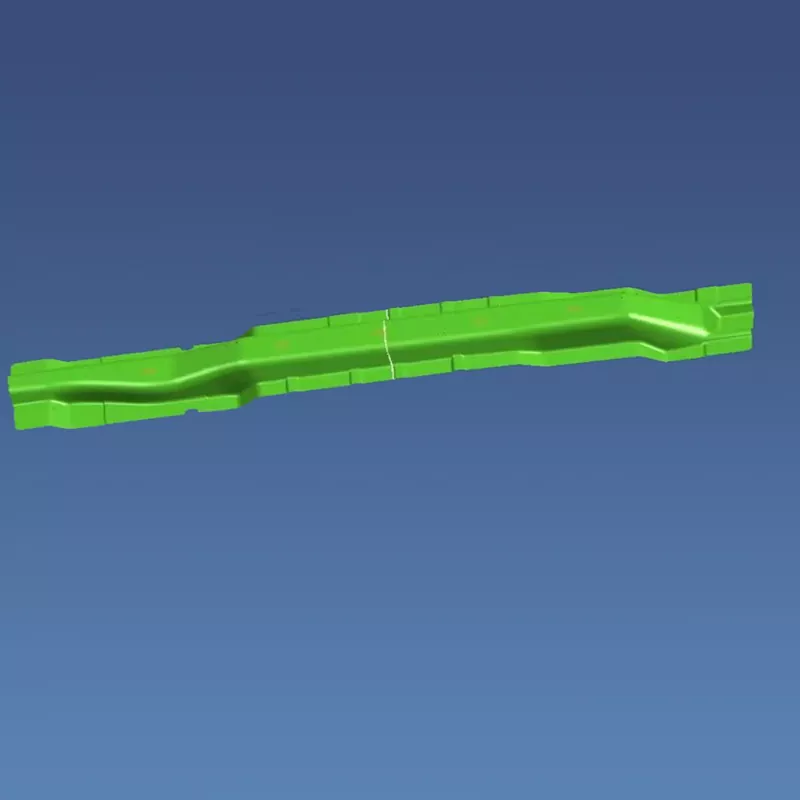
4. Reinforcing Beam Mold: Strengthens the body structure and enhances safety.
Compatible with 2000T-4000T large-scale stamping equipment and automated production lines, offering high efficiency and labor savings.
Manufacturing Process
1. Product Analysis and Process Design
Automotive Trunk Assembly Stamping Dies utilizes CAE software to simulate the stamping process, predict defects, and optimize process and die parameters.
2. Die Design
Through full 3D design using 3D software, the structure of each component is refined to ensure die precision and reliability.
3. Material Selection
Selected suitable materials: high-hardness wear-resistant die steel for working parts, carbon structural steel for non-working parts, and specialized materials for guide components and buffer elements.
4. Precision Machining
Through three stages of rough machining, finish machining, and surface treatment, the outer cover die surface achieves a mirror finish, with special treatments enhancing hardness and wear resistance.
5. Assembly and Debugging (T0 Trial Die)
Assemble and debug the Automotive Trunk Assembly Stamping Dies, perform trial stamping of parts, adjust parameters, and repeatedly modify the die until it meets quality requirements.
Development Trends
1. Integrated Molding Technology: The trend towards integrated luggage compartments places higher demands on molds. SIKAIDA continues to develop integrated die-casting technology.
2. Lightweight Material Application: Adapting to lightweight materials such as high-strength steel and aluminum alloys, as well as micro-foaming technology, to meet the lightweighting needs of automobiles.
3. Smart Manufacturing and Digitalization: Sensors are embedded in the Automotive Trunk Assembly Stamping Dies to monitor stamping parameters. Combined with digital twin technology for virtual debugging, efficiency and trial molding success rates are improved.
4. Additive Manufacturing Technology Application: 3D printing and SLM technologies are used to manufacture key mold structures, reducing processing difficulty and improving performance.
Frequently Asked Questions
Q1: What materials are typically used in Automotive Trunk Assembly Stamping Dies?
A1: Working parts (punches and dies) use high-hardness mold steels such as Cr12MoV and SKD11; non-working parts use carbon structural steels such as 45 steel and Q235; guide parts use bearing steel GCr15 or carburizing steel 20CrMnTi; buffer elements use polyurethane rubber, nitrogen cylinders, etc.
Q2: How long is the production cycle for Automotive Trunk Assembly Stamping Dies?
A2: The development cycle for automotive trunk assembly stamping dies is typically 8-15 months, depending on the complexity of the product, technical requirements, and manufacturing capabilities. The price of a single die ranges from hundreds of thousands to millions of yuan, reflecting the technical strength of the die manufacturer. With the application of digital and intelligent manufacturing technologies, the development cycle is gradually shortening.
Send Inquiry
Contact Info
-
Address
Fengze Two Avenue, Balitai Industrial Park, Jinnan District, Tianjin City, China
-
Tel
-
Email
Welcome to our website! For inquiries about our products or pricelist, please leave your email to us and we will be in touch within 24 hours.
Related Products
News Recommendations