English
- English
- Español
- Português
- русский
- Français
- 日本語
- Deutsch
- tiếng Việt
- Italiano
- Nederlands
- ภาษาไทย
- Polski
- 한국어
- Svenska
- magyar
- Malay
- বাংলা ভাষার
- Dansk
- Suomi
- हिन्दी
- Pilipino
- Türkçe
- Gaeilge
- العربية
- Indonesia
- Norsk
- تمل
- český
- ελληνικά
- український
- Javanese
- فارسی
- தமிழ்
- తెలుగు
- नेपाली
- Burmese
- български
- ລາວ
- Latine
- Қазақша
- Euskal
- Azərbaycan
- Slovenský jazyk
- Македонски
- Lietuvos
- Eesti Keel
- Română
- Slovenski
- मराठी
- Srpski језик


Automotive Engine Compartment Assembly Stamping Dies
SIKAIDA Automotive Engine Compartment Assembly Stamping Dies represent the pinnacle of automotive stamping die technology, a precision die system used to form the main frame and body panels of the engine compartment. As a professional manufacturer rooted in China, SIKAIDA provides reliable and cost-effective solutions to global automakers. As a trusted supplier, its modern factories possess full-process design, machining, assembly, and trial molding capabilities, enabling highly efficient and automated stamping production of core automotive structural components.
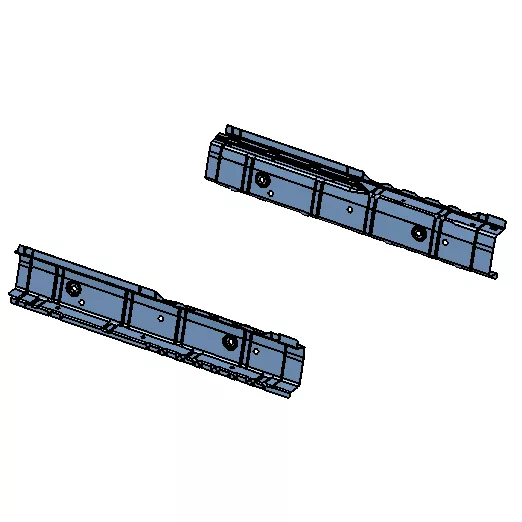
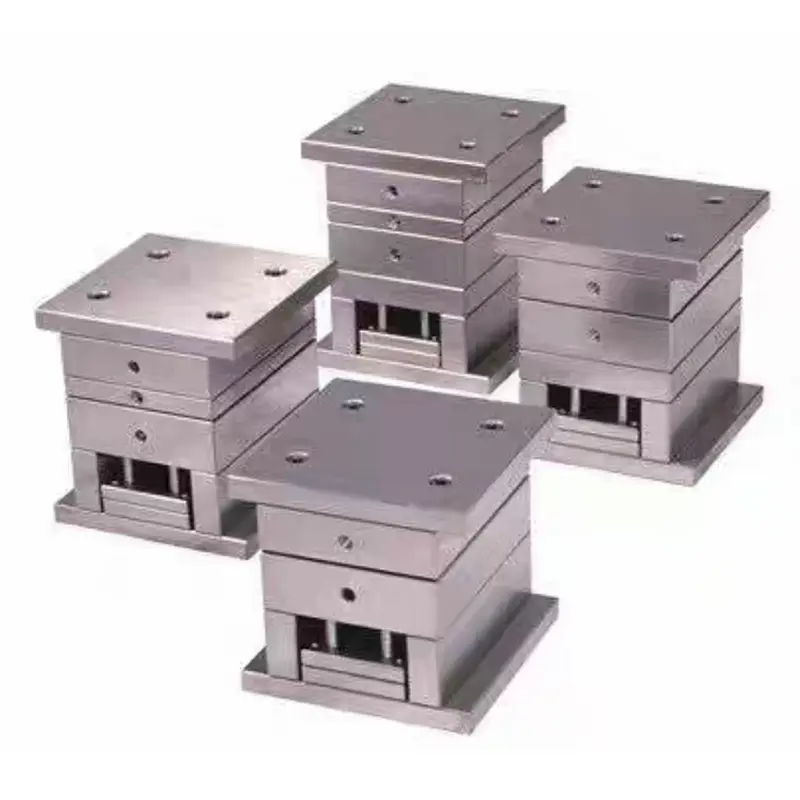
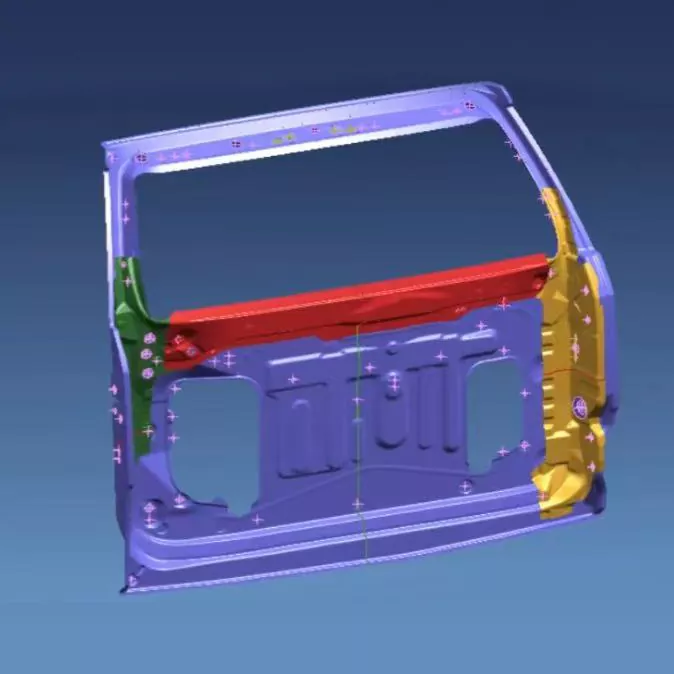
The automotive engine compartment assembly is a core load-bearing component of the automotive powertrain, and the manufacturing level of its stamping dies represents the highest level of automotive stamping die technology. SIKAIDA Automotive Engine Compartment Assembly Stamping Dies are not a single die, but a complete die system used to stamp sheet metal into the main frame and body panels of the engine compartment. These components are then assembled into a complete engine compartment through welding or bolting.
Core Product Features
1. Large Size and Complex Structure
Automotive Engine Compartment Assembly Stamping Dies are large in size (typically longer than 1.2 meters and wider than 0.8 meters), with complex cavity structures. They require forming mounting holes, reinforcing ribs, and folded edges, integrating multiple workstations including deep drawing, forming, trimming, and punching.
2. Ultra-High Precision and High Strength
As critical safety load-bearing components in automobiles, the dimensional accuracy of stamped parts is controlled within ±0.05mm, with no surface defects such as cracks or wrinkles. High-quality die steel and precision heat treatment processes ensure high strength, high hardness, and high wear resistance of the dies.
3. Multi-Process Integration
Integrating multiple processes such as deep drawing, trimming, punching, flanging, and shaping, using progressive or continuous die structures, supporting automated mass production.
4. Precision Guiding and Unloading System
Precision guiding, unloading, and ejection mechanisms are designed for complex undercuts and negative angles in stamped parts, ensuring uniform material flow and reducing forming defects.
5. Temperature and Lubrication Control
Some models are equipped with a heating/cooling temperature control system and a high-efficiency lubrication system to reduce friction, extend die life, and ensure the stamping quality of high-end materials.
Application Areas
1. Passenger Vehicle Manufacturing
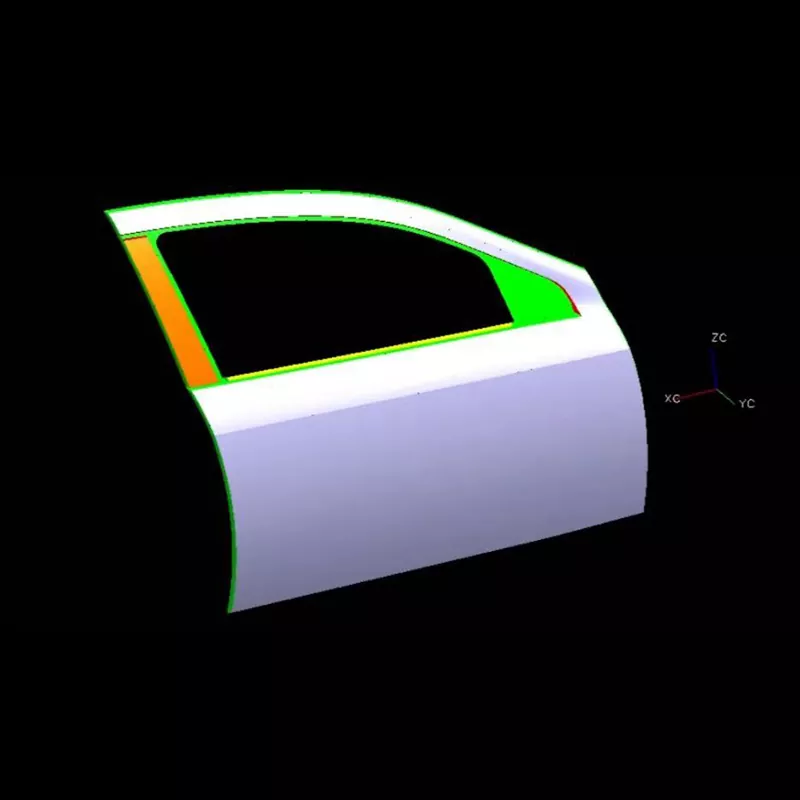
Produces core body structural components such as front bulkheads, fenders, firewalls, and engine hood inner and outer panels, providing structural support and protection.
2. New Energy Vehicles
Automotive Engine Compartment Assembly Stamping Dies are adapted to the layout adjustment requirements of new energy vehicle engine compartments, optimized for lightweight materials such as aluminum alloys and high-strength steel, meeting higher precision requirements.
3. Commercial Vehicle Manufacturing
Adapted to the larger and more complex engine compartment requirements of commercial vehicles such as trucks and buses, capable of handling heavy-duty forming of ultra-large sheet metal.
Manufacturing Process
1. Product Analysis and Process Design
Uses CAE software such as AutoForm and Dynaform for stamping formability analysis, predicting and resolving problems such as cracking and wrinkling, and optimizing process parameters.
2. Mold Design
Automotive Engine Compartment Assembly Stamping Dies are designed in full 3D using software such as UG, CATIA, and AutoCAD, refining each component to balance strength, rigidity, lifespan, and production efficiency.
3. Material Selection
- Base Material: 45#, 50# carbon structural steel
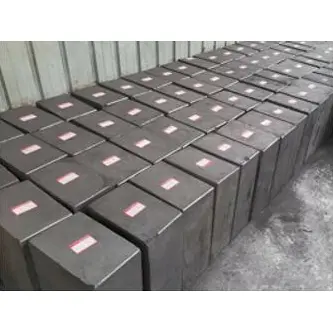
- Working Parts: Cr12MoV, Cr12, and other tool steels; for mass production, steel-bonded cemented carbide or powder metallurgy materials can be used.
4. Precision Machining
- Rough Machining: Removing excess material using a large gantry milling machine or machining center.
- Finish Machining: High-precision CNC machining center, slow wire EDM.
- Special Machining: Electrical discharge machining of complex surfaces, polishing to Ra≤0.4μm.
- Heat Treatment: Quenching, tempering, nitriding, etc., to improve hardness and wear resistance.
5. Assembly and T0 Trial Mold
After assembly, the mold is installed on the stamping equipment for trial molding, adjusting parameters such as pressure and stroke until the stamped part meets the standards.
Development Trends
1. Ultra-large integrated molding: Adaptable to stamping equipment of 2000 tons and above, reducing the number of parts and welding processes.
2. Lightweight material forming: Optimized for materials such as aluminum alloys and high-strength steel, improving springback issues.
3. Intelligent manufacturing and digitalization: Integrating CAE analysis, 3D printing, digital twins, and other technologies to shorten development cycles.
4. Multi-station automated production: Achieving full automation from sheet metal input to finished product output, improving efficiency and consistency.
Frequently Asked Questions
Q1: What materials are typically used in Automotive Engine Compartment Assembly Stamping Dies?
A1: The die base commonly uses high-quality carbon structural steel (such as 45#, 50#), while the working parts use high-carbon high-chromium tool steel (such as Cr12MoV, Cr12), high-speed steel (such as W6Mo5Cr4V2), or cemented carbide. For mass production, steel-bonded cemented carbide or powder metallurgy materials can be used to ensure the die has high strength, high hardness, and high wear resistance.
Q2: How long is the production cycle for Automotive Engine Compartment Assembly Stamping Dies?
A2: Stamping dies for automotive engine compartment assemblies are the culmination of technology, experience, and craftsmanship. Their development cycle is long (typically 8-15 months) and costly (reaching millions to tens of millions of RMB), making them a key indicator of a die-making company's overall strength. The higher the complexity, the longer the cycle. With the application of intelligent manufacturing and digital technologies, the development cycle is gradually shortening.
Send Inquiry
Contact Info
-
Address
Fengze Two Avenue, Balitai Industrial Park, Jinnan District, Tianjin City, China
-
Tel
-
Email
Welcome to our website! For inquiries about our products or pricelist, please leave your email to us and we will be in touch within 24 hours.
Related Products

News Recommendations